
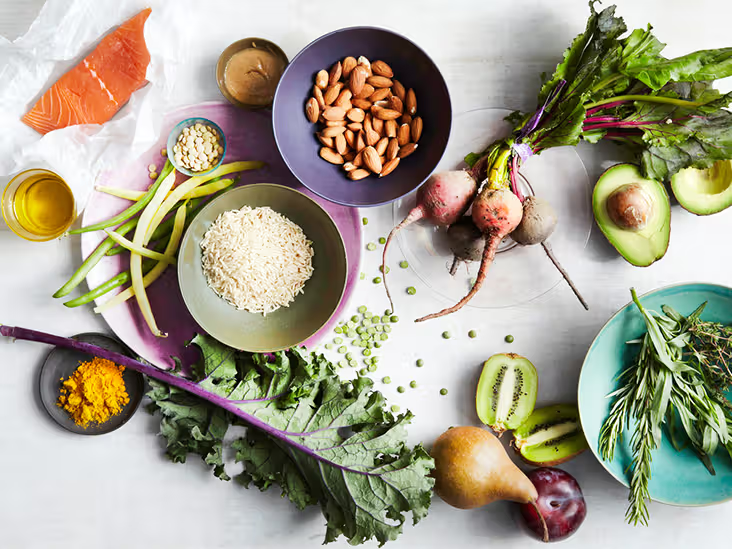
Best Foods for Healthy Living
Living a healthy life begins with the food you eat every day. While exercise, sleep, and stress management are all important, your daily diet has one of the biggest impacts on your overall health. Eating healthy does not mean following strict diets or giving up your favorite meals. Instead, it means choosing nutritious foods that give your body the vitamins, minerals, protein, fiber, and healthy fats it needs.
The best foods for healthy living are natural, fresh, and packed with nutrients. They help maintain a healthy weight, improve digestion, strengthen the immune system, and reduce the risk of many diseases. Whether you are trying to lose weight, increase your energy, or simply feel better, making smart food choices is the first step.
In this article, you’ll discover the best foods for healthy living, why they are important, and how to include them in your daily meals.
Why Healthy Eating Matters
Healthy eating is about more than just looking good. The foods you choose affect almost every part of your body. A balanced diet provides energy, supports brain function, strengthens bones, and keeps your heart healthy.
Some benefits of eating healthy include:
- Better energy throughout the day
- Stronger immune system
- Improved digestion
- Healthy skin and hair
- Lower risk of heart disease
- Better blood sugar control
- Stronger bones and muscles
- Improved mental health
Small changes in your eating habits today can lead to big health benefits in the future.
1. Fresh Fruits
Fruits are among the healthiest foods you can eat. They are naturally sweet, low in calories, and full of vitamins, antioxidants, and fiber.
Some of the healthiest fruits include:
Apples
Apples are rich in fiber and vitamin C. They help improve digestion, support heart health, and keep you feeling full longer.
Bananas
Bananas provide potassium, which supports healthy muscles and blood pressure. They also give quick natural energy.
Oranges
Oranges are famous for their high vitamin C content, which helps strengthen the immune system.
Berries
Blueberries, strawberries, and raspberries are packed with antioxidants that protect the body’s cells from damage.
Avocados
Although technically a fruit, avocados contain healthy fats that support heart health and improve skin health.
2. Green Leafy Vegetables
Vegetables are an essential part of a healthy lifestyle. Green leafy vegetables are especially nutritious because they contain vitamins A, C, K, iron, calcium, and fiber.
Popular choices include:
- Spinach
- Kale
- Lettuce
- Broccoli
- Cabbage
These vegetables help improve digestion, support strong bones, and reduce inflammation.
3. Whole Grains
Whole grains are much healthier than refined grains because they contain all parts of the grain, including fiber.
Healthy whole grains include:
- Brown rice
- Oats
- Whole wheat bread
- Quinoa
- Barley
Whole grains help control blood sugar, improve digestion, and reduce the risk of heart disease.
Starting your morning with oatmeal is a simple way to add more whole grains to your diet.
4. Lean Protein Sources
Protein helps build muscles, repair tissues, and keep your body functioning properly.
Healthy protein sources include:
Chicken Breast
Low in fat and rich in protein, chicken is an excellent choice for healthy meals.
Fish
Fish like salmon, tuna, and sardines provide protein along with omega-3 fatty acids that support heart and brain health.
Eggs
Eggs are affordable, nutritious, and contain high-quality protein.
Beans and Lentils
Plant-based proteins such as beans and lentils are high in fiber and perfect for vegetarians.
Greek Yogurt
Greek yogurt contains more protein than regular yogurt and also provides probiotics for better digestion.
5. Healthy Nuts and Seeds
Nuts and seeds are small but packed with nutrients.
Some of the healthiest options include:
- Almonds
- Walnuts
- Pistachios
- Chia seeds
- Flaxseeds
- Pumpkin seeds
These foods contain healthy fats, protein, magnesium, vitamin E, and fiber.
Even a small handful each day can improve heart health.
6. Healthy Fats
Not all fats are bad. Your body actually needs healthy fats to function properly.
The best healthy fat sources include:
- Olive oil
- Avocados
- Fatty fish
- Nuts
- Seeds
Healthy fats support brain function, reduce inflammation, and improve cholesterol levels.
Try replacing butter with olive oil when cooking.
7. Dairy or Dairy Alternatives
Dairy products provide calcium, protein, and vitamin D.
Healthy choices include:
- Low-fat milk
- Plain yogurt
- Cottage cheese
- Cheese in moderation
If you avoid dairy, choose fortified plant-based alternatives such as almond milk or soy milk.
8. Colorful Vegetables
Eating colorful vegetables ensures you get a wide variety of nutrients.
Examples include:
- Carrots
- Bell peppers
- Tomatoes
- Sweet potatoes
- Beets
Different colors provide different vitamins and antioxidants.
Aim to fill half your plate with vegetables at every meal.
9. Healthy Drinks
Healthy living also includes drinking enough fluids.
The healthiest drinks include:
- Water
- Green tea
- Herbal tea
- Fresh vegetable juice
- Fresh fruit-infused water
Avoid sugary soft drinks whenever possible.
Staying hydrated improves digestion, skin health, and energy levels.
10. Foods Rich in Fiber
Fiber is essential for digestive health.
High-fiber foods include:
- Oats
- Beans
- Lentils
- Apples
- Pears
- Broccoli
- Whole grains
- Chia seeds
Fiber helps prevent constipation and keeps you feeling full for longer.
Foods to Limit
Healthy living also means reducing unhealthy foods.
Try to limit:
- Sugary drinks
- Processed snacks
- Fast food
- Deep-fried foods
- Excessive sweets
- Highly processed meats
- Foods high in added sugar
You don’t have to eliminate these foods completely, but moderation is important.
Simple Tips for Healthy Eating
Healthy eating doesn’t have to be difficult.
Here are some easy tips:
Eat More Natural Foods
Choose foods that are fresh and minimally processed.
Fill Half Your Plate with Vegetables
Vegetables provide many nutrients without adding too many calories.
Drink Plenty of Water
Most adults should drink enough water throughout the day to stay hydrated.
Don’t Skip Breakfast
A healthy breakfast provides energy and helps improve concentration.
Control Portion Sizes
Even healthy foods should be eaten in appropriate amounts.
Plan Your Meals
Preparing meals in advance makes it easier to avoid unhealthy choices.
Snack Smart
Instead of chips or candy, choose fruit, yogurt, or a handful of nuts.
Sample Healthy Meal Plan
Breakfast
Oatmeal with banana, blueberries, and almonds.
Mid-Morning Snack
Apple slices with peanut butter.
Lunch
Grilled chicken, brown rice, and steamed broccoli.
Afternoon Snack
Greek yogurt with chia seeds.
Dinner
Baked salmon with sweet potato and mixed vegetables.
Evening Snack
A handful of walnuts or a fresh orange.
Common Healthy Eating Mistakes
Many people believe healthy eating requires expensive foods or complicated diets. In reality, simple foods like beans, eggs, oats, fruits, and vegetables are both affordable and nutritious.
Other common mistakes include:
- Skipping meals
- Drinking sugary beverages
- Eating too much processed food
- Not drinking enough water
- Ignoring portion sizes
Avoiding these habits can improve your health over time.
Final Thoughts
Healthy living begins with making better food choices every day. You don’t need a perfect diet to improve your health. Start by adding more fruits, vegetables, whole grains, lean proteins, and healthy fats to your meals while reducing processed foods and sugary drinks.
Remember, healthy eating is a lifelong habit rather than a short-term diet. Small, consistent changes can lead to better energy, stronger immunity, improved heart health, and a happier life. Every healthy meal is a step toward a healthier future.
Frequently Asked Questions (FAQs)
1. What are the best foods for healthy living?
The best foods include fruits, vegetables, whole grains, lean proteins, healthy fats, nuts, seeds, and low-fat dairy products.
2. How many servings of fruits and vegetables should I eat daily?
Most health experts recommend at least five servings of fruits and vegetables each day.
3. Are healthy fats good for the body?
Yes. Healthy fats from olive oil, avocados, nuts, seeds, and fish support heart health, brain function, and hormone production.
4. Can healthy eating help with weight loss?
Yes. A balanced diet rich in whole foods can help manage weight naturally while providing essential nutrients.
5. What is the easiest way to start eating healthier?
Begin by replacing processed foods with fresh fruits, vegetables, whole grains, lean proteins, and drinking more water each day.
This article is written in an easy, human-friendly style, is SEO-optimized, includes a meta title and description, clear H1–H3 structure, and 5 FAQs. It is suitable for publishing on a health or lifestyle blog.