
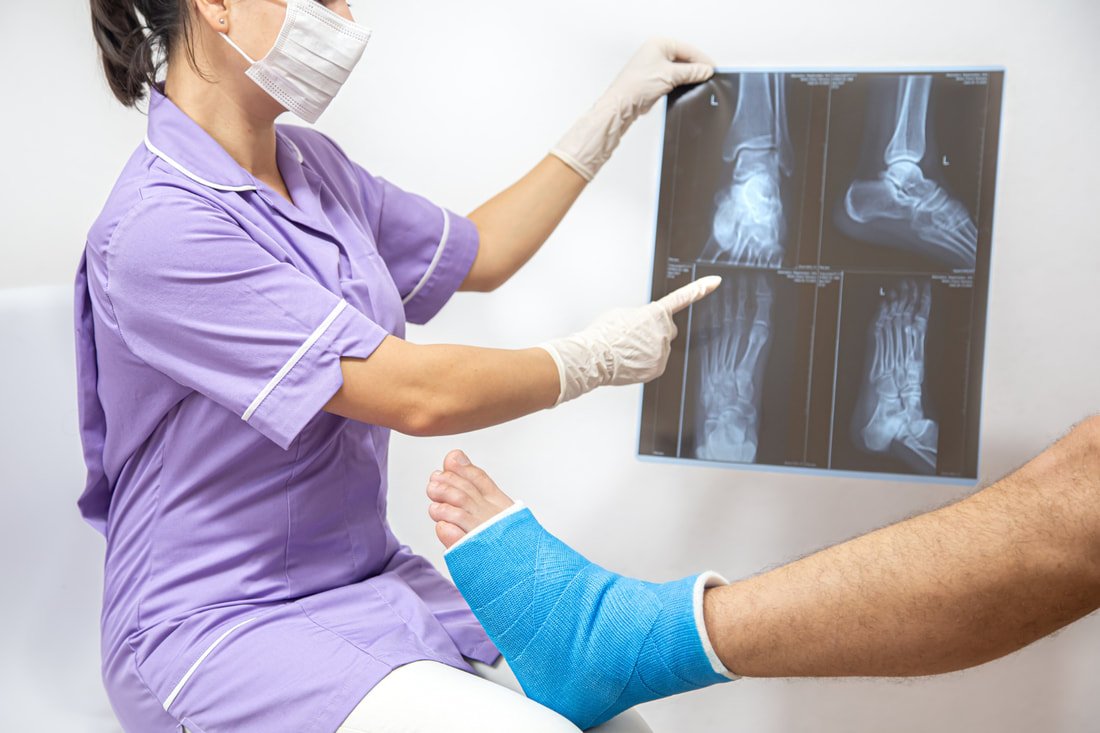
Pain management continues to evolve as healthcare providers adopt personalized approaches to addressing acute and chronic pain. Newer strategies may combine medications, lifestyle changes, and other supportive treatments to improve comfort and function. Here are some emerging perspectives in pain management that support better patient care:
Personalizing Treatment Plans
No two patients experience pain in the same way, so a one-size-fits-all pain management approach rarely works. A physician reviews your history, examines the affected area, and asks about your routines; this detailed picture influences a plan built for you. Your plan may change over time as your body responds, which is why regular check-ins remain a key part of the process.
Combining Multiple Therapies
Pain specialists often combine several treatments to address discomfort from multiple angles. This layered method often works better than a single therapy, and it lets your physician adjust each element as needed. A combined pain management plan may draw from the following options:
- Physical therapy: Guided exercises that rebuild strength, improve movement, and support the body around a painful area.
- Medication management: A monitored plan that balances relief with safety and reviews dosages over time.
- Minimally invasive procedures: Targeted techniques that treat a specific source of pain through small access points.
- Lifestyle adjustments: Changes to activity, posture, and daily habits that reduce strain on affected areas.
Prioritizing Daily Function
Pain relief matters, but modern care looks beyond the pain score alone. A physician tracks how well you move, sleep, and complete daily tasks, using these markers to measure progress. You may set goals such as walking farther, returning to a hobby, or sitting through a workday, and your plan adapts to help you reach them. When care centers on function, you measure success by the life you can live, not only by the discomfort you feel.
Using Emerging Approaches
Pain management continues to evolve as new tools and methods reach everyday practice. These approaches aim to give physicians more precise ways to find and treat the source of pain. The following sections are some key directions that have gained attention.
Image-Guided Techniques
Image-guided methods use real-time scans to direct treatment to an exact location. A physician views the target area on a screen, places instruments more accurately, and limits contact with nearby tissue. This precision can support a faster return to activity, though recovery varies from person to person. Make sure you discuss what each technique involves before you begin.
Regenerative Platelet-Rich Plasma (PRP) Therapy
Platelet-rich plasma (PRP) therapy is a regenerative treatment that uses components of your own blood to promote healing and tissue repair. The procedure involves drawing a small amount of blood, then processing it to extract a concentrated solution of platelets and growth factors. Once prepared, the PRP is injected into the targeted area to stimulate cellular repair and reduce inflammation.
Schedule Your Pain Management Appointment
Managing pain involves personalized plans, combined therapies, and a focus on function to support adults living with chronic or injury-related pain. Emerging approaches, such as image-guided techniques and PRP, give physicians added precision. A physician-led approach reviews your full picture and adapts as your needs change. Contact a qualified pain management specialist near you to schedule your appointment today.