
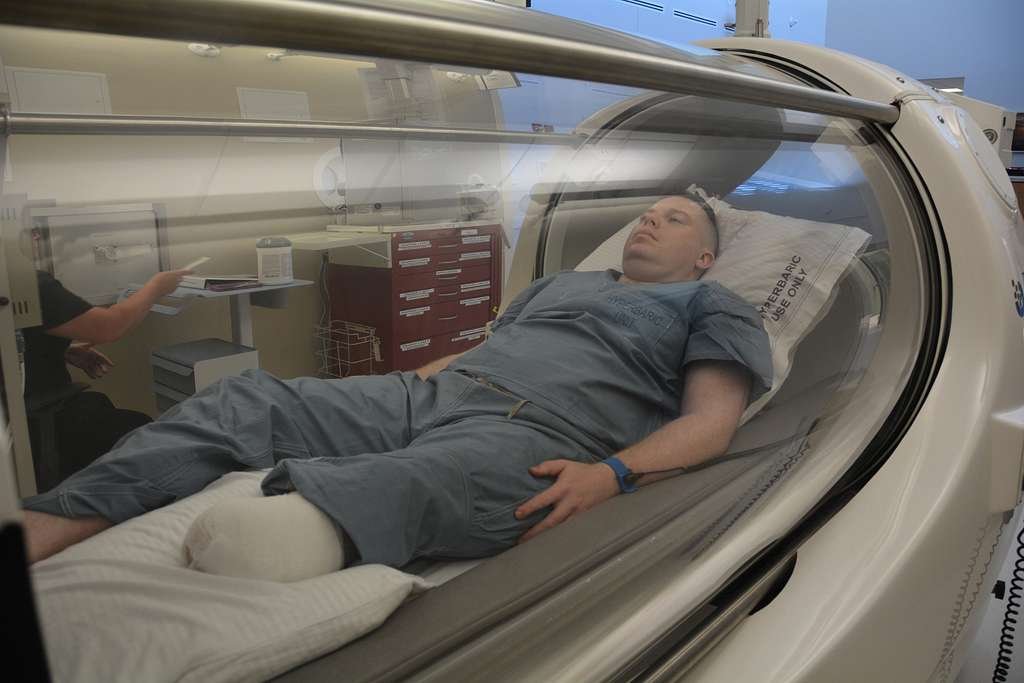
Hyperbaric oxygen therapy (HBOT) is a medical treatment for specific health conditions. Patients breathe pure oxygen inside a pressurized space, and the higher pressure helps their blood carry more oxygen. Since doctors use it for a limited set of approved conditions, a referral typically comes first. This is how the process works and what you may experience:
Delivering Pure Oxygen
Normal air contains about 21% oxygen, but HBOT delivers close to 100 percent. The added pressure pushes more oxygen into your blood plasma. Since plasma reaches areas with poor circulation, oxygen may travel to tissues that usually receive less. Depending on the chamber, you receive oxygen in one of these ways:
- Through the air that fills a single-person chamber
- Through a mask in a multiplace chamber
- Through a lightweight hood placed over your head
Using a Pressurized Chamber
Some chambers hold one person, and others fit several patients at once. When a clinic uses a single-person chamber, you lie on a padded table inside a clear tube. Multiplace chambers look more like a small room with seats. Both types deliver the same basic treatment.
Once the session starts, staff slowly raise the air pressure inside the chamber. The pressure usually reaches two to three times normal air pressure. You may feel fullness in your ears, so staff teach you simple ways to clear them. The feeling resembles the pressure change during an airplane landing.
A typical hyperbaric oxygen therapy session lasts about 90 minutes. While you rest, a technician watches you and talks with you through an intercom. Some people nap or listen to music, and others simply breathe quietly. Afterward, staff lowers the pressure gradually before you exit.
Reducing Inflammation
Inflammation is the body’s natural response to injury or infection. Swelling protects damaged tissue at first, but too much of it may slow recovery. When tissues swell, they may press on blood vessels and limit blood flow. This reduced flow limits the oxygen that reaches the injured area.
High oxygen levels may help lower swelling in some injured tissues. Results vary from person to person, and studies continue to examine this effect. HBOT does not replace standard treatments like rest, medication, or wound care. A specialist will review the current evidence for your specific condition.
Stimulating Healing
Healing tissue needs a steady supply of oxygen. When oxygen levels rise, the body may form new blood vessels in damaged areas. Oxygen also supports white blood cells, and these cells help fight certain infections. Doctors use HBOT for specific approved conditions, including:
- Decompression sickness in divers
- Carbon monoxide poisoning
- Foot ulcers that do not heal
- Tissue damage from radiation treatment
- Burns and crush injuries
HBOT carries some minor risks, and your care team will review them with you. Typical side effects include ear pain, sinus pressure, and tiredness. Some people notice temporary vision changes after they complete a long series of sessions. Before treatment, tell staff about colds, ear problems, or recent lung issues.
Try Hyperbaric Oxygen Therapy
If you have a condition that HBOT treats, ask your doctor about a referral. Treatment plans typically involve dozens of sessions, so ask about scheduling and insurance coverage up front. Bring your medication list and health history to your first visit. Clear information helps you and your care team make a well-informed decision together.