
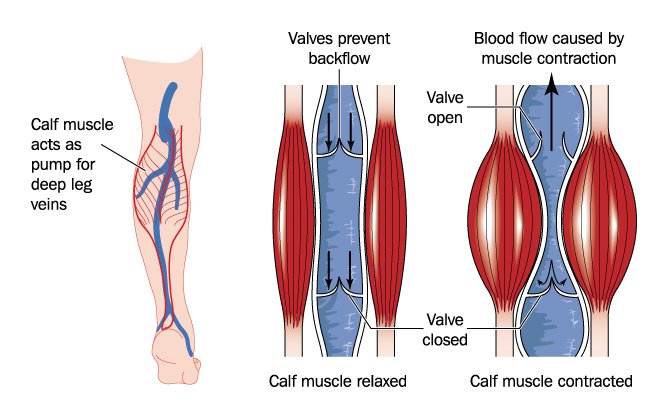
Varicose veins are enlarged, twisted veins near the surface of the skin, and they can impact your daily life. They typically appear in the legs and feet, and they often look blue, purple, or dark red. These veins form when small valves inside them weaken and allow blood to pool. This is how they affect your routine and what steps you can take:
Bulging Out
Varicose veins rise above the skin’s surface, and they look like ropes or cords. Their size and shape vary from person to person. You might avoid shorts, skirts, or swimsuits because the veins are visible. Visible veins also affect clothing choices for work and exercise. If a bulging vein feels hard, warm, or tender, contact a healthcare provider. A few practical adjustments may help with comfort and coverage:
- Graduated compression stockings for gentle pressure from the ankle up
- Lightweight pants or long skirts for warm days
- Low-impact activities such as swimming, cycling, or walking
Itching and Burning
Pooled blood puts pressure on the vein walls, and fluid leaks into nearby tissue. This leak irritates the skin, which leads to itching around the ankles and lower legs. Dry, flaky patches may also appear on the skin over the veins. For some people, the urge to scratch grows stronger at night.
When you scratch the area often, the skin may become dry, thin, or broken. Open skin may raise the risk of infection. A fragrance-free moisturizer helps with dryness, and loose clothing reduces friction.
A burning or throbbing feeling typically follows long periods of standing. Many people notice it after a work shift because gravity pulls more blood into the legs. Short walks during the day help move blood upward, and leg elevation in the evening may ease the heat.
Aching Periodically
Leg aching is a major symptom of varicose veins. The discomfort may feel dull or heavy, and it typically builds through the day. Symptoms may peak in the evening after you have spent hours on your feet.
Some people also get muscle cramps, and these cramps sometimes wake them at night. Poor sleep affects focus and energy the next day, which makes work and household tasks harder. Take breaks during long periods of sitting or standing. Ankle circles and calf raises keep blood moving in the lower legs.
Leading to Health Problems
While many varicose veins stay mild, some lead to complications over time. Untreated veins sometimes affect the skin and deeper tissue. Some changes develop slowly, and others appear suddenly. Watch for these warning signs:
- Brown or darkened skin near the ankles
- Sores or ulcers that heal slowly
- Bleeding from a vein close to the skin
- Sudden swelling, pain, or redness in one leg
Sudden swelling in one leg needs prompt medical attention. It may signal deep vein thrombosis, a blood clot that requires quick evaluation. Leg ulcers typically take weeks to heal, and they may return without proper care. In some cases, your provider will refer you to a vascular specialist for these issues.
Get Treatment for Varicose Veins
Varicose veins affect comfort, sleep, and skin health, and the effects often grow over time. A vein specialist will examine your legs and check blood flow with an ultrasound. Options may include compression therapy, sclerotherapy, or radiofrequency ablation. If your symptoms disrupt your routine, schedule an evaluation with a vein specialist.

