
Vascular conditions affect blood vessels and may require different approaches depending on their type and severity. A vascular doctor can evaluate the condition and recommend options, including lifestyle changes and medication. Here is a closer look at treatment options a vascular doctor may recommend for vascular conditions:
Identifying the Vascular Condition
Treatment begins with an accurate diagnosis. During the first visit, a vascular doctor reviews your medical history, asks about symptoms, and examines the affected area. Providers use an ultrasound, which is a painless imaging test that uses sound waves to show blood flow. The results show whether the issue involves the veins or arteries and guide the next steps.
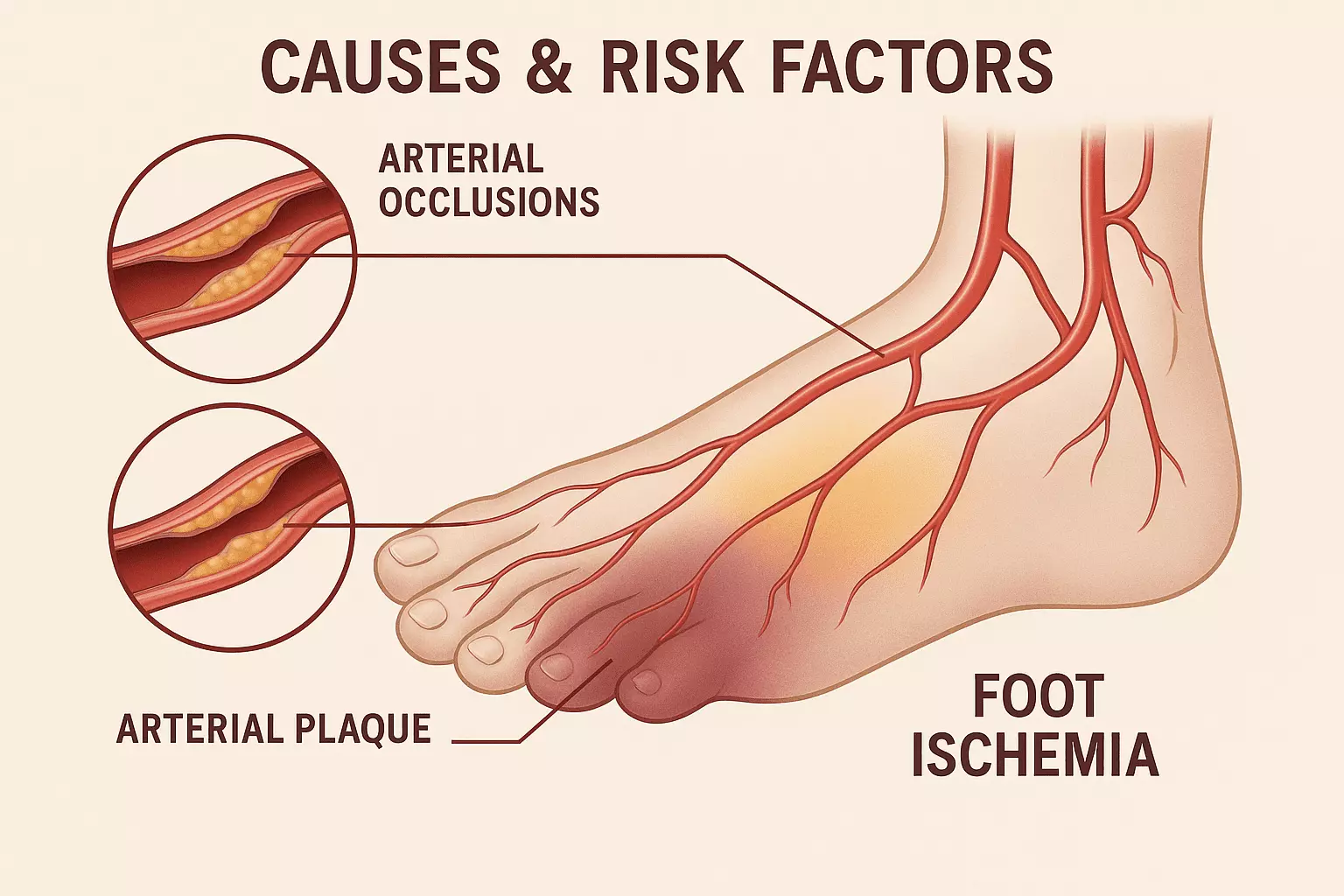
A common finding is chronic venous insufficiency, a condition in which vein valves do not close properly. When this happens, blood pools in the legs, and visible veins or swelling may develop. Other diagnoses include spider veins and peripheral artery disease, which is a narrowing of the leg arteries. Each condition requires a different treatment plan.
Exploring Conservative Treatments
Conservative treatments are non-surgical steps that a vascular doctor often recommends first. These options focus on daily habits and supportive tools, and they require little recovery time. The following approaches often form part of an initial plan:
- Compression stockings: These snug garments apply continuous pressure to the legs to support blood flow toward the heart.
- Leg elevation: Raising the legs above heart level for short periods can limit blood pooling in the lower legs.
- Regular movement: Walking activates the calf muscles, which help push blood upward through the veins.
- Position changes: Moving between sitting and standing throughout the day may support circulation.
Reviewing Vascular Procedures
Procedure-based treatments target veins that do not respond to conservative care. They often take place in an outpatient setting, and patients generally go home the same day. The right option depends on vein size, vein location, and your medical history.
Sclerotherapy
Sclerotherapy is a minimally invasive treatment for smaller varicose and spider veins. It involves injecting a special solution directly into the vein, causing it to collapse and fade over time. This procedure is quick, generally requiring no anesthesia, and patients often resume normal activities immediately. Multiple sessions may be needed for optimal results, depending on severity.
Endovenous Ablation
Endovenous ablation is a minimally invasive procedure for treating larger varicose veins. The procedure involves inserting a thin catheter into the affected vein and using heat generated by radiofrequency or laser energy to close it. This approach redirects blood flow to healthier veins and alleviates symptoms like pain or swelling.
Treating Venous Ulcers
A venous ulcer is an open sore that develops when poor vein function causes blood to pool in the lower legs. These wounds usually appear near the ankles. They often heal slowly, so a vascular doctor treats both the wound and the underlying vein problem. Wound care generally involves cleaning the sore, removing dead tissue, and applying specialized dressings. Compression therapy often supports this process, and a vein procedure may address the source of the pooling. The care team adjusts the dressing type as the wound changes.
Consult a Vascular Doctor Today
Vascular care includes conservative steps, minimally invasive procedures, and wound care for venous ulcers. A thorough evaluation identifies the specific condition, and this diagnosis informs the treatment plan. Contact a qualified vascular doctor near you to schedule your consultation today.