
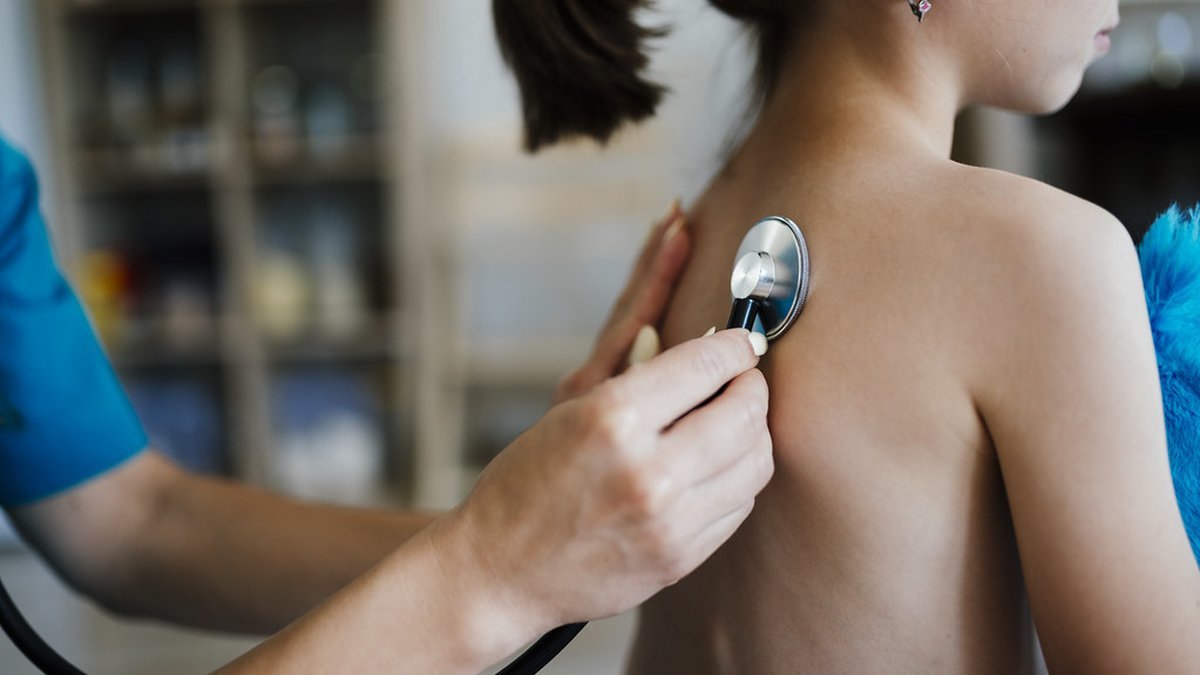
Sick visits allow pediatricians to assess a child’s symptoms and recommend treatment. When a child presents with a common illness, such as a cold, ear infection, or stomach bug, the pediatrician diagnoses it through a physical exam and symptom review. The appointment may also include a discussion of home care steps; parents receive follow-up instructions based on the diagnosis and the child’s response to treatment. Here is more information on managing common childhood illnesses during sick visits:
What Do Sick Visits Entail?
Sick visits start with a review of symptoms. The pediatrician may ask about fever, cough, rash, or changes in appetite and behavior, and parents typically share when the symptoms began. If the symptoms have worsened since they first appeared, the pediatrician notes this as well, because the conversation shapes the direction of the physical exam.
Next comes the physical exam itself; the pediatrician checks temperature, heart rate, and breathing. They may examine the ears, throat, and lungs, depending on the symptoms described. Some visits require additional steps, such as a rapid strep test, which confirms a diagnosis when the exam alone is inconclusive.
Sick visits differ from well-child checkups in both purpose and pace. A wellness exam reviews growth and development over time, but a sick visit focuses on a current concern. Once the cause of the illness becomes clear, the appointment may move quickly, and the pediatrician proceeds to treatment recommendations.
How Are Childhood Illnesses Managed?
Treatment depends on the diagnosis. A viral infection, such as the common cold, typically calls for rest, fluids, and monitoring rather than medication, but bacterial infections, such as strep throat or certain ear infections, often require antibiotics. Because dosing varies by medication, the pediatrician may explain the dosage, the timing, and how long symptoms should take to improve.
When a child has a fever, pediatricians may recommend acetaminophen or ibuprofen based on the child’s age and weight. They also advise when a fever warrants concern; parents learn which symptoms call for immediate attention, such as difficulty breathing or persistent vomiting. Some illnesses resolve on their own within a few days, while others need closer monitoring. The pediatrician outlines a management plan tailored to the specific diagnosis. Symptom changes to look out for include:
- Temperature spikes
- Appetite changes
- Low energy
What Happens After a Visit?
Follow-up instructions mark the final part of most sick visits. Pediatricians typically explain how to track symptoms at home, and they may state when to schedule a follow-up appointment. When a child is recovering as expected, parents receive markers for improvement. Parents may learn which signs suggest that the illness is not responding to treatment.
Recovery timelines vary by illness. A cold may clear up within a week. An ear infection treated with antibiotics may show improvement within a couple of days. Pediatricians usually ask parents to call back if symptoms persist beyond the expected window. A re-examination should be scheduled if the child has not improved, and the pediatrician will decide the appropriate next steps.
Seek Professional Guidance Now
Sick visits give parents a structured way to address childhood illnesses, from the initial exam to the treatment plan and follow-up care. Knowing what to expect during these appointments helps parents prepare, and it allows pediatricians to focus on accurate diagnosis and effective management. If a child shows signs of illness, contact a pediatric care team to book an appointment and get specific guidance on symptoms.