
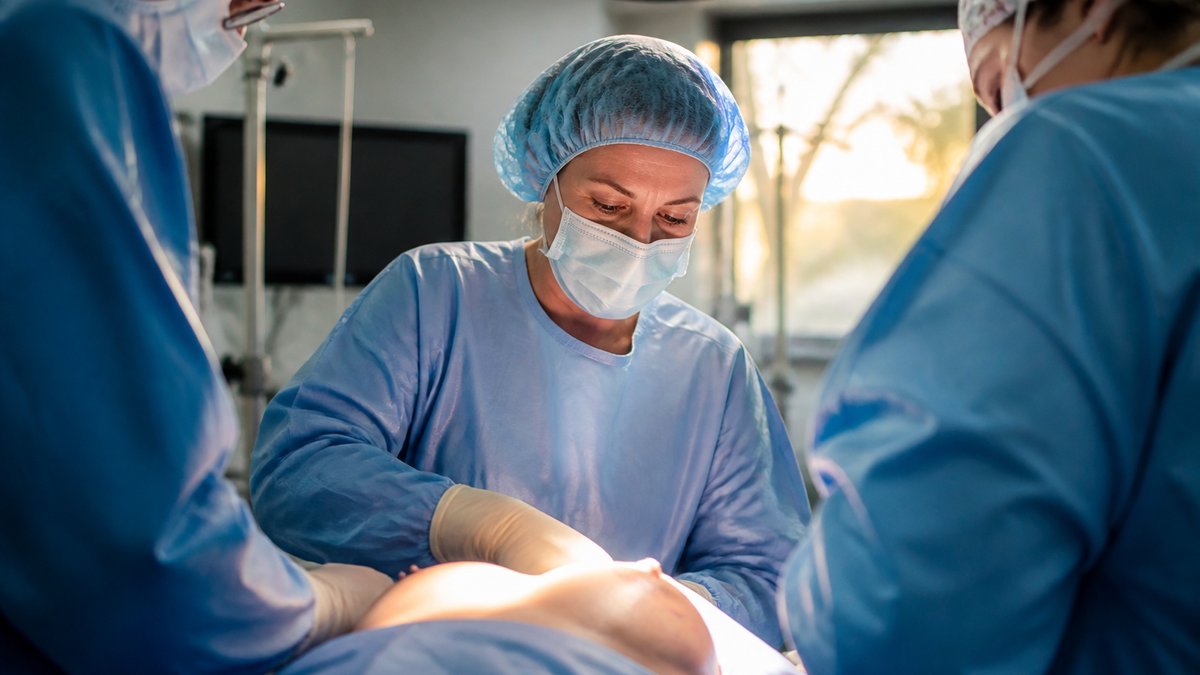
A breast lift, referred to medically as mastopexy, is a cosmetic surgical procedure that raises the breasts and refines their contour. The skin and connective tissues that hold the breasts in place can loosen over time because of aging, pregnancy, breastfeeding, weight changes, and inherited traits. The breasts sit lower on the chest as a result, and the nipples may point downward. Learning what the healing period looks like can give you an understanding of what to expect.
Who Are Breast Lifts For?
People seek a breast lift for a variety of aesthetic reasons. Some notice that their breasts may have sagged over time, and others observe widened areolas or one breast that hangs lower than the other. After significant weight loss, loose skin can remain once the underlying tissue has decreased in volume. Suitable candidates are typically in good general health, maintain a stable weight, and are not smokers.
What Does the Procedure Involve?
A breast lift is generally performed on an outpatient basis under general anesthesia or intravenous sedation, and patients may return home the same day in many cases. The surgeon selects an incision pattern, which can be based on how far the breast has descended and how much skin needs removal. Minor lifting may call for an incision that circles the entire areola. Moderate descent can be addressed with an incision that encircles the areola and extends vertically to the breast crease.
Through these incisions, the surgeon reshapes the internal tissue and moves the nipple and areola to a higher position. Stretched areolas can be reduced in diameter at this stage. Excess skin is then trimmed, and the remaining skin is closed. Scarring is an expected part of any breast lift.
What Does Recovery Entail?
After surgery, the incisions are covered with bandages, and a supportive surgical bra may be utilized. Thin drainage tubes are sometimes inserted to collect fluid during early recovery. Swelling, bruising, and tenderness are common in the early weeks. Rest is typically advised during the first week, and patients are often instructed to avoid raising their arms above shoulder level. Many individuals return to desk-based work and light activities within one to two weeks. Vigorous exercise and heavy lifting are usually postponed for four to six weeks or until the surgeon gives approval. Sleeping on your back, wearing the support garment as directed, and attending follow-up appointments are standard parts of aftercare.
Confer With Your Cosmetic Surgeon
A cosmetic surgeon can evaluate your breast tissue, as well as your skin elasticity and nipple placement, to recommend an incision pattern suited to your anatomy. This conversation may also address how a particular technique will influence nipple sensation or future breastfeeding. Your surgeon can also explain whether pairing a lift with implants or a reduction aligns with your goals. A breast lift does not stop the natural aging process; the breasts may continue to change over time in response to gravity, hormonal shifts, and weight fluctuations. Discussing these topics in detail allows you to make a well-informed decision about mastopexy.