
Flat feet are a condition in which the arch along the inner side of the foot is low or absent. When a person with this foot deformity stands, most or all of the sole may contact the ground. People can have fallen arches without any discomfort, but others notice pain, fatigue, or changes in the way they walk. Learning about the possible causes and management options of this condition may help families make informed decisions.
What Causes Flat Feet?
The arch is supported by a network of bones, ligaments, and tendons that work together to absorb shock and distribute body weight. When part of this network does not develop fully or becomes weakened, the arch may flatten. Factors associated with the development of flat feet vary, and they can include:
- Family history of similar foot structure
- Arches that do not fully develop during childhood
- Foot or ankle injuries, such as fractures
- Changes in the posterior tibial tendon, which helps support the arch
In children, flexible flat feet are often part of typical development.
What Are the Symptoms?
Many individuals with flat feet have no symptoms. When symptoms do occur, they can vary in type and intensity. Some people report aching in the arch or heel, particularly after physical activity. Children do not always describe foot discomfort directly, but parents can instead observe a child walking in an unusual manner. A child whose feet roll inward noticeably may benefit from an evaluation. Pain that increases over time or interferes with daily activities is a reasonable indication to seek an assessment for an adult.
How Are They Addressed?
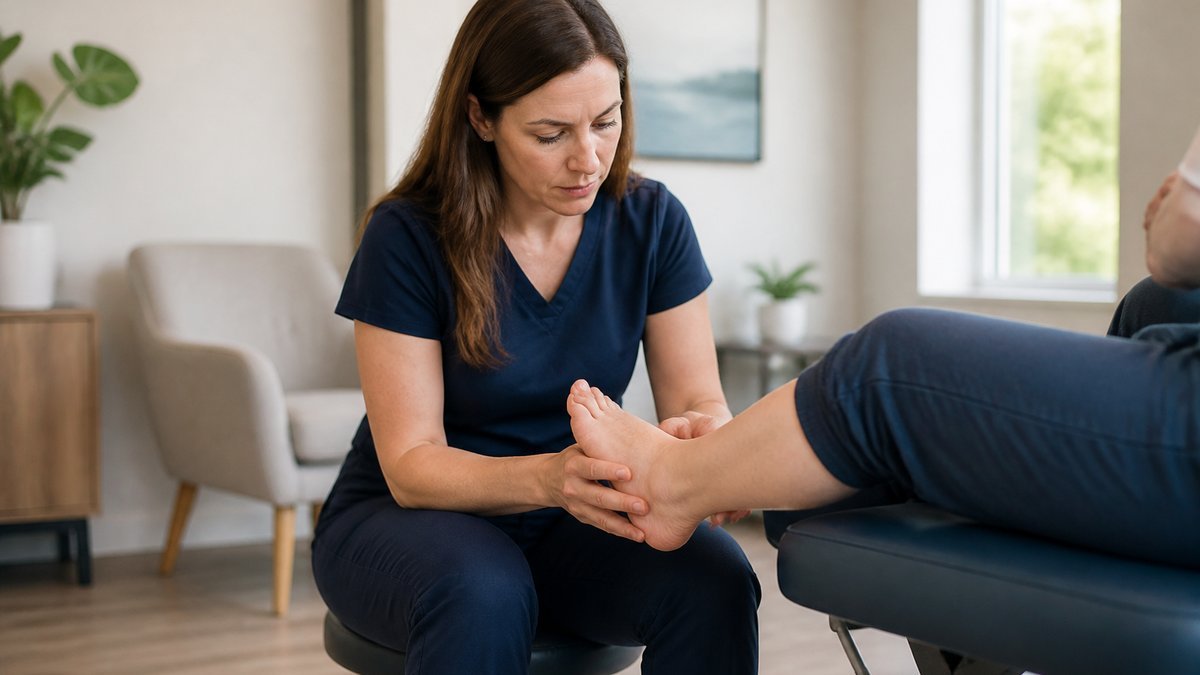
The approach to this condition depends on the type, the underlying cause, and whether symptoms are present. Fallen arches that cause no pain or functional limitations often need nothing more than periodic monitoring. This is common with flexible flat feet in young children. A foot specialist typically begins with a physical examination, and this can include observing how the person stands and walks and testing the flexibility of the foot. X-rays or other imaging may be used to examine bone alignment or identify a tarsal coalition. When symptoms are present, conservative measures can be explored. Common options include:
- Supportive footwear
- Custom orthotic inserts
- Anti-inflammatory or pain relief medication
- Targeted injections
- Physical therapy to strengthen the muscles that support the arch
Surgery is generally reserved for situations in which pain persists despite conservative care or a structural problem is identified. Procedures may involve repairing tendons or realigning bones.
Consult a Foot Specialist
Podiatrists and orthopedic foot and ankle specialists evaluate flat feet in patients of all ages. For children, an evaluation can help distinguish typical developmental flatness from a structural concern that calls for monitoring or care; for adults, an assessment helps determine whether changes in the arch relate to tendon function, arthritis, or another factor. Everyday footwear choices also play a role in foot comfort. Combined with guidance from a foot specialist, attention to these details can help children and adults stay active with greater comfort.