
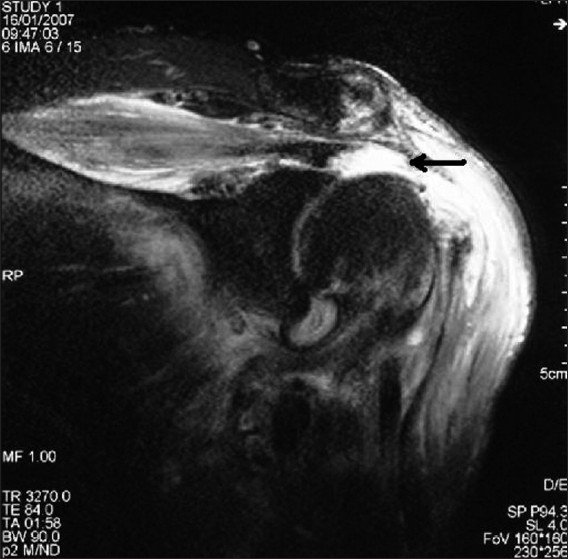
Your rotator cuff is a group of four muscles and tendons. These tissues hold the upper arm bone in the shoulder socket, and they help you lift and rotate your arm. When a tendon tears, daily tasks like reaching or dressing can become difficult. Rotator cuff repair could be an option for you if you are qualified.
Causes of Rotator Cuff Tears
Rotator cuff tears develop in two main ways. Some tears result from a sudden injury, such as a fall on an outstretched arm. Others form slowly over time, and these degenerative tears are more common in adults. Repetitive overhead motion, common in painting, carpentry, and some sports, stresses the tendons. If you often lift your arm overhead, the tendon can rub against bone, and small tears sometimes form. Age also affects tendon health. As tendons age, they lose flexibility and blood supply, making them more prone to tearing.
Options for Rotator Cuff Repair
Treatment depends on the tear size, and it may be changed based on your activity level. Small or partial tears may respond to physical therapy, rest, and anti-inflammatory medication. Your provider may also recommend corticosteroid injections to reduce swelling, and these provide short-term relief while the tendon heals. If symptoms do not improve after several months of conservative treatment, rotator cuff repair surgery becomes a stronger option. Bio cuff repair adds a layer of support to a standard repair. This procedure uses a dermal allograft tissue implant. This approach offers several key advantages:
- Increases initial repair strength at the tendon site
- Reduces the chance of the tendon re-tearing during recovery
- Supports healing in large or complex tears where tendon tissue is thinner
- Lowers rejection risk through specialized tissue processing
Recovery After Rotator Cuff Repair
Recovery happens in stages. You will wear a sling for about four to six weeks after surgery. The sling protects the repair, and it limits movement while the tendon heals. During this time, a physical therapist will guide you through gentle, passive motion exercises. Avoid lifting, and do not reach behind your back. Swelling and discomfort are normal, and your provider may recommend ice and pain medication to manage this. Keep your sling on as instructed, even while sleeping, because movement at rest can stress the repair before it stabilizes.
Passive motion exercises during this phase are performed with assistance either by a therapist or by using your unaffected arm. The repaired tendon is not asked to contract on its own. This protects the tissue while still maintaining joint flexibility. Your provider will schedule follow-up visits to monitor healing. They will adjust your exercise plan based on how your shoulder responds. Report swelling, warmth, or increased pain at the surgical site promptly, so you note complications that need early attention.
Schedule Your Evaluation Today
Shoulder pain that lasts more than a few weeks needs an evaluation. A specialist can confirm a tear and measure its size. Contact your office today, and they will help you schedule a consultation. Bring a list of your symptoms, and note which movements cause pain. Include any imaging reports if you have them. At your visit, you can ask whether rotator cuff repair or bio cuff repair suits your shoulder.

