
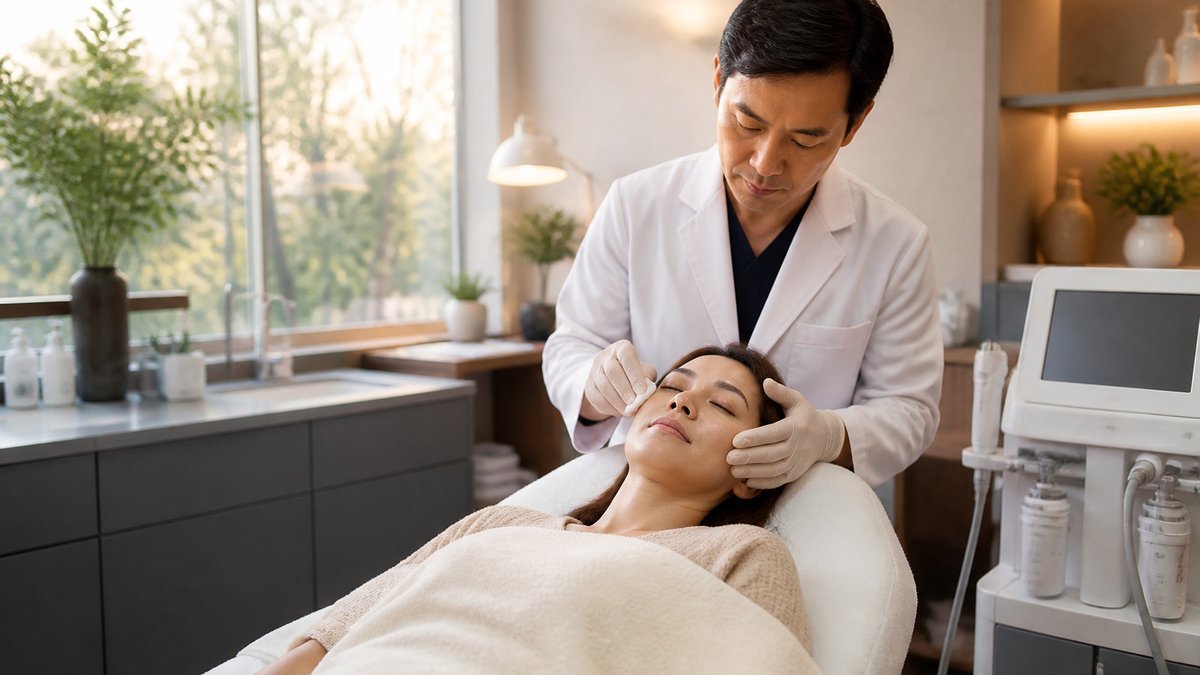
Dermatologists complete years of specialized training, and they treat many skin, hair, and nail conditions. When you visit a dermatology office, a specialist evaluates medical, surgical, and cosmetic skin concerns. This is how dermatology specialists help with your skin health:
Diagnosing Skin Conditions
Since many rashes look alike, a dermatologist studies the pattern, color, and location of each one. They also ask about your symptoms, medications, and family history. Some conditions need only a visual exam, but others require a skin biopsy or patch testing at a dermatology clinic. Dermatologists diagnose these conditions:
- Acne and rosacea
- Eczema and contact dermatitis
- Psoriasis
- Fungus and bacterial skin infections
- Hair loss and nail disorders
A diagnosis guides your treatment plan. If a condition flares with the seasons, your dermatologist may adjust medications throughout the year. Treatment may include topical creams, oral medications, or light therapy, and follow-up visits track your progress. Photos of past flare-ups also help your dermatologist.
Screening for Cancer
Skin cancer is the most common cancer in the United States, and dermatologists check for it during skin exams. During a full-body exam, a dermatologist examines areas that you might miss, like your scalp, back, and feet. The exam usually takes 10 to 15 minutes.
Dermatologists often use a dermatoscope during screenings. This handheld tool magnifies the skin, and it reveals structures below the surface. If a spot looks unusual, the dermatologist removes a small sample for lab testing. Lab results usually return within one to two weeks.
People who have fair skin, many moles, or a family history of melanoma may need yearly screenings. You can also check your skin at home each month, and a mirror helps with hard-to-see areas. Report any new, changing, or bleeding spots to your dermatologist.
Performing Mohs and Reconstructive Surgery
Mohs surgery treats basal cell and squamous cell carcinomas. During the procedure, the surgeon removes thin layers of skin until no cancer cells remain. Each layer goes under a microscope during your visit, and the surgeon examines its edges. The process usually finishes in a single day.
Some wounds heal on their own, but larger wounds often need reconstructive surgery. Common options include stitches, skin flaps, and skin grafts. The surgeon picks a repair method based on where the wound sits and how large it is.
Evaluating Moles
Most moles are harmless, but it helps to know how to tell a typical mole from an atypical one. A typical mole is usually round or oval, has a smooth edge, and keeps one even color. It also stays the same size over time. An atypical mole may look different. Watch for these signs:
- Asymmetrical moles: One half of the mole doesn’t match the other.
- Irregular borders: The edges look ragged, notched, or blurred.
- Uneven color: The mole shows shades of brown, black, pink, or white.
- Gradual changes: The mole grows, itches, bleeds, or looks different from your other moles.
Schedule Dermatology Care Near You
Dermatologists diagnose and treat a wide range of skin concerns, and they also perform skin cancer surgery. If you notice a new spot or a lasting rash, schedule an exam with a board-certified dermatologist. Bring a list of your symptoms and current medications to your visit. A specialist will explain your options at each step.