
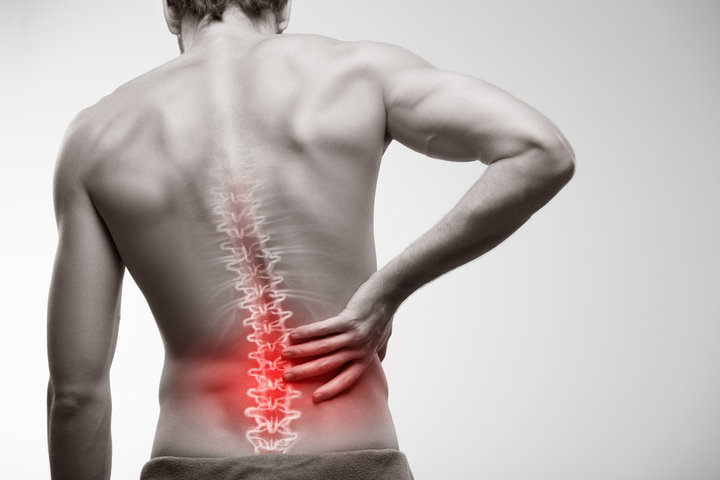
Back pain affects people across all age groups and lifestyles. It may appear suddenly after lifting a heavy object, or it is able to develop gradually over months due to poor posture or repetitive strain. Learning more about what causes back pain, as well as how it is addressed, helps you make informed choices about your health and well-being.
What Is Back Pain?
Back pain refers to any discomfort felt along the spine, and it may strike anywhere from the base of the neck down to the lower back and hips. The spine is a complex structure made up of bones called vertebrae, cushioning discs, muscles, ligaments, and nerves. When any of these parts become injured, inflamed, or strained, pain can result.
Acute back pain comes on quickly, and it usually lasts a few days to several weeks. Chronic pain persists for three months or longer and requires ongoing attention. The lower back, also known as the lumbar region, is a frequently affected area. Several factors can contribute to pain. Muscle strains are a frequent cause, and age-related changes to the discs and joints of the spine also play a role. In some cases, underlying conditions affecting the nerves or bones may be the source of discomfort.
How Is It Managed?
Many cases of back pain improve with self-care and conservative measures. Rest offers short-term relief, but prolonged inactivity can sometimes slow recovery. Gentle movement and light activity may support healing, and it keeps the muscles engaged and the joints mobile.
Applying heat or cold to the affected area is a common approach. Cold packs may help reduce swelling in the early stages, while heat eases muscle tension and stiffness. Over-the-counter pain relievers are frequently used to manage mild discomfort, and you should follow the directions of your doctor when using any medication.
Maintaining good posture while sitting and standing, along with using proper technique when lifting, may also reduce the risk of future episodes. Lifestyle adjustments can further support recovery. Maintaining a healthy weight reduces pressure on the lower spine, and taking regular breaks from sitting are practical steps that many people find helpful.
How Is It Medically Treated?
When back pain does not improve with self-care, or when it interferes with daily life, professional evaluation may be needed. A healthcare provider typically begins with a physical examination, and a review of your medical history can be performed. Imaging tests are used to gain an understanding of the spine and surrounding tissues. Treatment options vary depending on the cause and severity of the condition.
Physical therapy is a widely recommended approach, focusing on targeted exercises and hands-on techniques to restore movement and reduce strain. Prescription medications may be offered in certain situations to address pain or inflammation. For persistent or severe cases, other options can be explored. Injections that deliver medication directly to the affected area are sometimes used to reduce inflammation and provide relief. When conservative measures do not produce results, surgical procedures may be discussed. These are generally reserved for specific conditions, and they are recommended after an assessment.
Consult a Spine Specialist
Back pain is a manageable condition for many people, and a range of options exists to address it at different stages. Understanding your symptoms and how they respond to daily habits may help you discuss options with a spine specialist. A specialist can evaluate the source of your discomfort, allowing them to recommend an approach suited to your individual needs.