
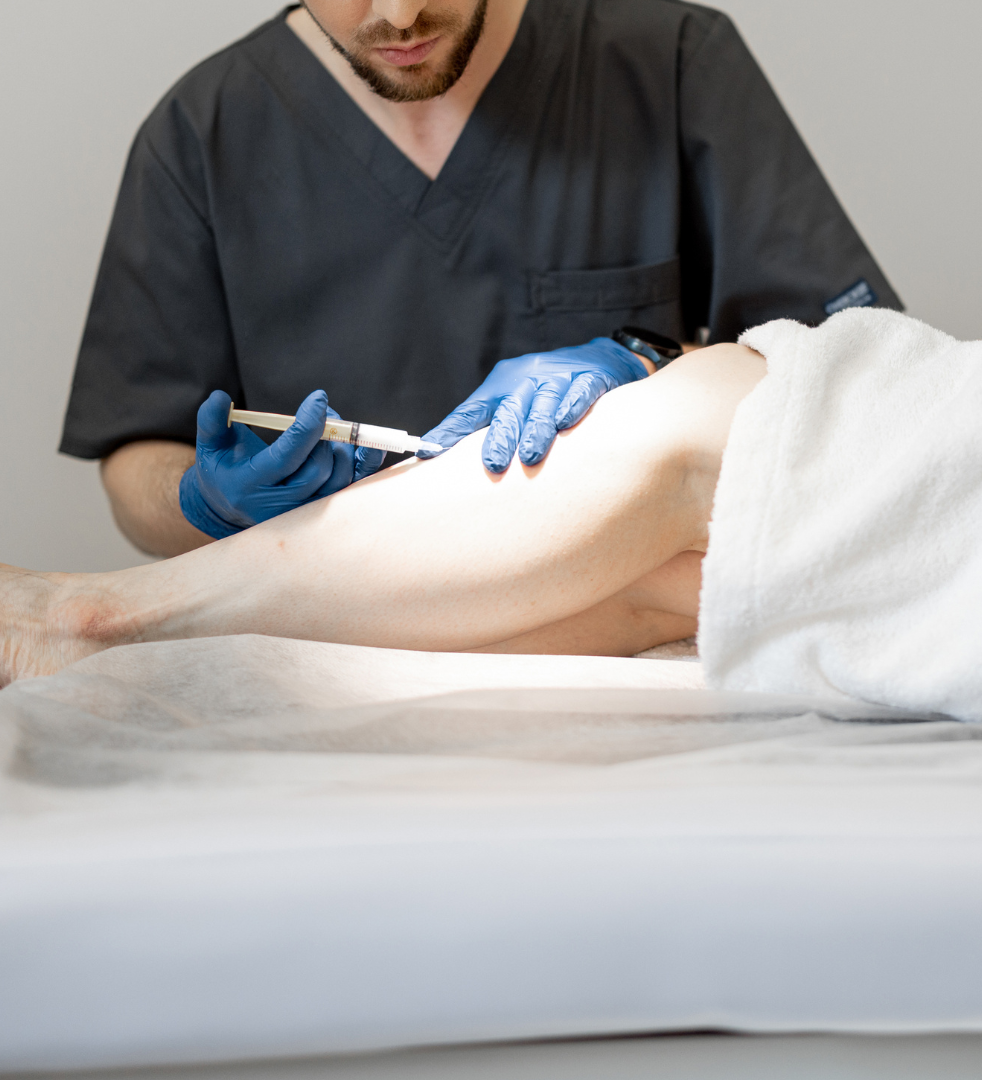
Spider veins are common, and they may reappear even after successful treatment. Understanding why they recur helps patients manage this common vascular condition over the long term. While no method can guarantee that spider veins won’t return, identifying contributing factors can reduce the likelihood of recurrence. Here is more information on this condition, including its causes, recurrence factors, and prevention strategies:
What Are Spider Veins?
Spider veins are small, damaged blood vessels that appear near the skin’s surface, forming red, blue, or purple web-like patterns. They are flat. Unlike varicose veins, which often bulge above the skin’s surface, spider veins remain level with the skin; this distinction is key when identifying the condition. While this condition is generally harmless, some patients experience mild discomfort or aching in affected areas.
What Causes Them?
Spider veins develop when the small valves inside veins weaken or become damaged, causing blood to pool and the vein to enlarge and become visible beneath the skin. Several factors contribute to this process:
- Genetics: A family history of spider or varicose veins increases an individual’s risk of developing the condition.
- Hormonal changes: Fluctuations in hormone levels can weaken vein walls and contribute to their formation.
- Prolonged standing or sitting: Extended periods of limited movement place increased pressure on the venous system, impairing healthy blood flow.
- Obesity and sun exposure: Excess body weight and repeated sun exposure place additional stress on blood vessels, accelerating vein wall deterioration.
Understanding these factors helps assess an individual’s risk and determine the most appropriate treatment.
Why Do They Recur?
When treatment addresses existing spider veins without eliminating the underlying causes, recurrence may occur. Sclerotherapy and laser treatments close off affected veins, but they do not prevent new ones from forming. Unaddressed risk factors will continue to stress the venous system, and recurrence is possible as long as contributing conditions persist.
Hormonal fluctuations, such as those associated with pregnancy, menopause, or hormonal therapy, can trigger new spider vein formation after treatment, and this risk is particularly pronounced in individuals with a genetic predisposition. Weight gain and inactivity sustain the circulatory pressure that damages vein walls. Prolonged standing also contributes, as it places continuous stress on the venous system without lifestyle adjustments to counteract it.
How Are They Prevented?
Prevention focuses on reducing the circulatory pressure and lifestyle factors that weaken vein walls. Compression stockings improve blood flow in the legs, and they help reduce venous pressure throughout the day. Because consistent use supports healthier circulation, patients may be advised to wear them during extended periods of standing or sitting.
Regular physical activity supports healthy circulation, and walking strengthens the muscles that assist venous return. Maintaining a healthy body weight reduces pressure on leg veins. When the legs are elevated during rest periods, blood can drain more efficiently toward the heart. Avoiding prolonged stillness further lowers recurrence risk.
Sun protection matters for veins on the face. Applying broad-spectrum SPF sunscreen daily limits UV-related damage to superficial blood vessels; this practice is particularly beneficial for patients with a history of facial vein treatment. Patients with hormone-related risk factors should consult their cardiologist, as adjustments to therapy may be appropriate depending on individual circumstances.
Seek Professional Guidance Today
Spider veins are manageable, but long-term control depends on addressing the factors that drive recurrence. Treatment removes existing veins; prevention helps prevent new ones from forming. A combination of lifestyle modifications and medical support offers effective management. If you have this condition, speak with a cardiologist to assess your individual risk factors and develop a prevention plan suited to your health history.