
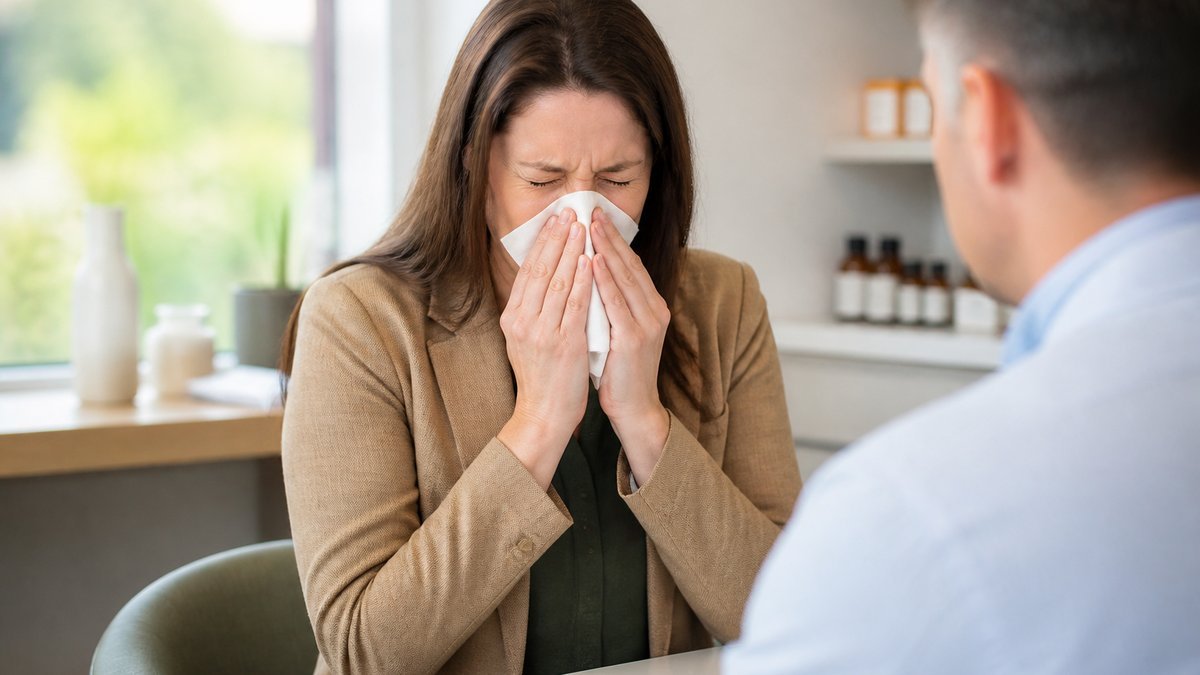
Contact allergy testing is a skin evaluation that identifies specific substances that cause reactions through direct skin contact. Dermatologists and allergists perform this evaluation with patch testing. This method involves applying small amounts of potential allergens to the skin and monitoring reactions over several days. Everyday products contain dozens of individual ingredients, so the test helps narrow down possible sources with precision and accuracy. Here’s more information about contact allergy testing:
Exploring Test Allergens
Patch tests screen for substances found in jewelry, cosmetics, and workplace materials. A standard panel includes several allergens, and providers sometimes add expanded series based on your personal and occupational history. Although panels vary by clinic, the following substances may appear in them:
- Nickel and other metals
- Fragrance mixes
- Preservatives
- Adhesives
- Soap and hair dye ingredients
- Rubber and rubber additives
- Topical medications
Your occupation helps determine the allergen selection. Hairdressers, healthcare workers, and machinists handle different materials daily, so a provider may add a specialized series to the standard panel. Bringing product labels or safety data sheets to your visit gives the provider a clearer picture of your exposures. Personal care products also play a role in allergy testing. Bring samples of the lotions, shampoos, and cosmetics you use regularly, and ask the clinic whether they can test your own products.
Navigating the Patch Process
Patch testing typically involves several visits within one week. During the first appointment, a provider applies small patches to your upper back, and each patch contains a measured amount of a single allergen. Because the patches stay in place for about 48 hours, you keep the area completely dry during that period.
At the second visit, the provider removes the patches, marks each test site with a skin-safe pen, and records an initial reading. Since some reactions develop slowly, this reading represents only part of the full evaluation. A final reading usually takes place 72 to 96 hours after application; some clinics schedule an additional check around day seven.
Results guide the next steps in your care. Your provider identifies which substances produced a reaction, and they explain where those substances appear in everyday products. If a test site shows no reaction, the provider documents that result as well; this complete record informs your follow-up plan.
Preparing for Your Appointment
Preparation typically begins one to two weeks before testing. Your provider reviews your current medications and may ask you to pause topical steroids on your back. If you take oral steroids or immune-suppressing medicine, discuss your options before making any changes. Arrive with clean, lotion-free skin, and avoid sun exposure and self-tanners on your back for several weeks beforehand; these steps can support accurate readings.
Once the patches go on, you’ll need to shift your daily routine slightly. Avoid showers that wet your back, limit exercise that causes heavy sweating, and wear an old, dark shirt to protect the tape. Because loose patches can affect results, these practical adjustments are fundamental to a reliable outcome. After the final reading, your provider shares a list of substances to avoid. Saving your results in a secure file and sharing them with your other providers supports continuity of care.
Ask About Allergy Testing
Contact allergy testing uses a patch process to identify substances that trigger skin reactions, and the evaluation typically requires several clinic visits. Because results can reveal specific triggers, following your dermatologist’s recommendations helps you manage symptoms and avoid future exposure. Schedule a consultation with a board-certified dermatologist or allergist to discuss testing and appropriate next steps.