
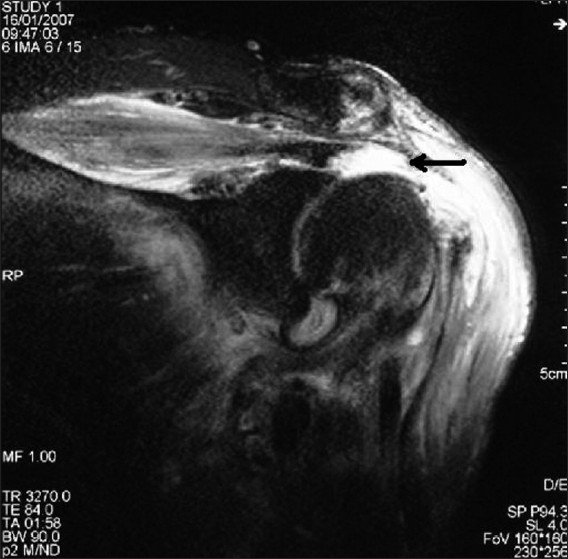
An untreated rotator cuff tear may cause persistent shoulder pain, muscle weakness, and reduced range of motion. Over time, certain tears can enlarge or contribute to muscle deterioration, while symptoms sometimes worsen during overhead movements. Because rotator cuff injuries vary in severity, orthopedic providers evaluate shoulder function and recommend appropriate treatment options based on individual findings. Here is more information about understanding the long-term effects of a rotator cuff tear:
Recognizing Rotator Cuff Tear Symptoms
The rotator cuff consists of four muscles and their tendons that help stabilize the shoulder joint and support arm movement. Injuries, repetitive overhead activities, and age-related tendon changes may contribute to a rotator cuff tear. Because symptoms vary depending on the injury, patients are able to experience several signs of shoulder dysfunction, including:
- Experiencing shoulder or upper arm pain during movement or rest.
- Noticing muscle weakness when lifting or rotating the arm.
- Developing difficulty with daily activities involving reaching or carrying objects.
- Feeling discomfort when lying down on the affected shoulder.
- Hearing clicking or popping sounds during certain shoulder movements.
Tears may develop suddenly after an injury or gradually through repetitive use and tendon degeneration. Some individuals experience immediate pain and weakness, while others notice symptoms that worsen over time. An orthopedic evaluation helps identify the underlying cause and determine whether imaging or additional treatment is appropriate. Persistent shoulder pain or limited movement warrants medical assessment to investigate possible tendon damage.
Understanding Common Underlying Causes
Tears may develop from sudden injuries or gradual changes affecting the shoulder tendons. Falls, direct impacts, and forceful arm movements sometimes cause acute tears accompanied by pain and weakness. Because repetitive stress affects tendon health, overuse may also contribute to gradual damage and shoulder discomfort.
Activities involving repeated overhead movements, such as baseball, tennis, painting, and weightlifting, is able to increase strain on rotator cuff tendons. Age-related changes also affect tendon strength and flexibility, while previous shoulder injuries sometimes contribute to additional damage. Orthopedic providers evaluate activity history, symptoms, and shoulder function to identify possible causes and recommend appropriate treatment options.
Facing Long-Term Shoulder Complications
Untreated tears may worsen over time, depending on the injury’s size, severity, and individual activity levels. Some tears gradually enlarge, while others remain stable without causing significant symptoms. Because tendon damage affects shoulder function, persistent injuries may contribute to ongoing pain and weakness.
Larger or longstanding tears sometimes lead to muscle deterioration and changes in shoulder movement. Reduced tendon function may affect joint stability, while surrounding muscles compensate during daily activities. These changes sometimes make lifting, reaching, or rotating the arm more difficult.
Advanced rotator cuff damage may contribute to joint degeneration and restricted shoulder mobility. Some individuals experience grinding sensations, weakness, or difficulty performing routine tasks as symptoms progress. An orthopedic evaluation helps determine the extent of tendon damage and identify appropriate treatment options.
Exploring Non-Surgical Treatment Paths
Nonsurgical treatments help manage rotator cuff tear symptoms and support shoulder movement without requiring an operation. Orthopedic providers evaluate shoulder function and review imaging results, while treatment recommendations depend on the injury’s severity. Because individual responses vary, nonsurgical care involve several approaches, including:
- Resting and modifying activities to reduce strain on the injured shoulder.
- Using anti-inflammatory medications to help manage pain and swelling.
- Performing strengthening exercises to support surrounding shoulder muscles.
- Participating in physical therapy to improve mobility and shoulder function.
- Receiving corticosteroid injections to address inflammation and discomfort.
- Discussing platelet-rich plasma injections when appropriate, recognizing that evidence of effectiveness remains limited.
These treatments focus on managing symptoms and improving shoulder function, although they do not necessarily repair torn tendons. Some patients experience improved mobility with rehabilitation, while others require further evaluation when symptoms persist. Providers monitor treatment responses and discuss surgical options when nonsurgical approaches do not adequately address the condition.
Weighing Surgical Repair Options
Surgical repair is able to be recommended for larger rotator cuff tears, persistent shoulder weakness, or symptoms that do not improve with nonsurgical treatment. Arthroscopic surgery uses small incisions and specialized instruments to reattach damaged tendons to the bone, while recovery involves structured rehabilitation. Because surgical needs vary, orthopedic surgeons evaluate tear severity, activity levels, and overall shoulder function before recommending treatment.
Schedule Your Shoulder Evaluation Today
Rotator cuff tears may cause persistent shoulder pain, weakness, and limited movement that interfere with daily activities. Some tears worsen over time, while others remain stable depending on injury severity and individual factors. Because shoulder symptoms have several possible causes, orthopedic providers evaluate joint function and recommend appropriate diagnostic testing and treatment options. Schedule a shoulder evaluation today to discuss your symptoms and explore available treatment approaches.