
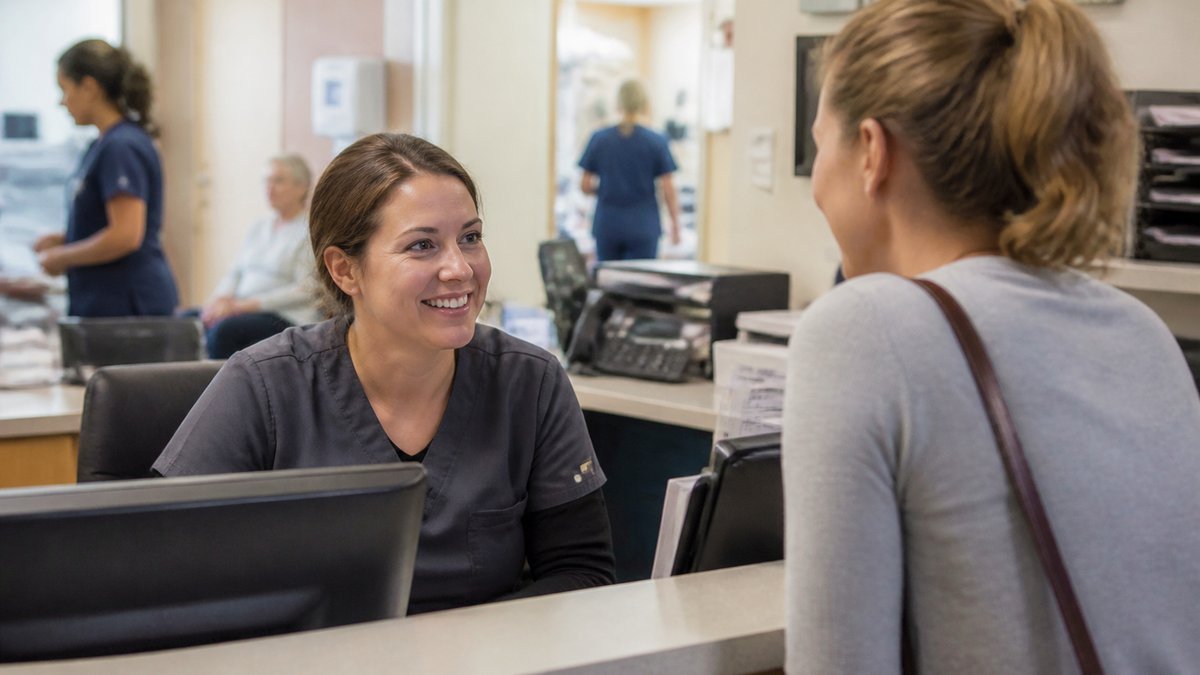
Urgent care plays a significant role in the healthcare system. They provide timely medical attention for illnesses and injuries that require prompt treatment but are not life-threatening. These facilities help bridge the gap between primary care and emergency services by offering accessible treatment for common medical concerns. Here is a closer look at the role of urgent medical care in the healthcare system:
What Is Urgent Care For?
Urgent care centers fill the gap between primary care offices and hospital emergency departments. They evaluate and treat non-life-threatening conditions that need attention within a day. Staff usually include physicians, physician assistants, and nurse practitioners, and some centers offer on-site X-rays and basic lab testing.
The model aims to reduce wait times and expand access to medical services. When a patient visits these facilities for a minor injury, the emergency department remains available for pressing cases. Providers also refer patients to specialists, such as orthopedic surgeons, if a condition requires further evaluation.
Which Conditions Do They Treat?
Urgent care providers evaluate a broad range of minor illnesses and injuries. Some involve the muscles, bones, and joints, making them a practical option for active adults. The following are common reasons for a visit, though services vary by location:
- Sprains and strains: Providers assess ligament and muscle injuries, often in the ankle, wrist, or knee.
- Minor fractures: On-site X-rays can identify small breaks in fingers, toes, or wrists, and staff apply splints when appropriate.
- Joint pain flare-ups: Patients with arthritis sometimes seek evaluation for sudden swelling or stiffness.
- Back and neck pain: Providers examine muscle-related pain that develops after lifting, exercise, or minor accidents.
- Cuts and wounds: Staff clean and close lacerations that need stitches or medical adhesive.
- Sports injuries: Athletes visit for jammed fingers, deep bruises, and overuse injuries such as tendon irritation.
How Do Healthcare Options Differ?
Each care setting serves a distinct function within the healthcare system. The right choice depends on symptom severity, the time of day, and your existing relationship with a provider. The following outlines how urgent medical care differs from some common options.
Urgent Care vs. Emergency Rooms
Emergency rooms treat severe and life-threatening conditions, and they operate 24 hours a day. Urgent medical care centers handle less serious concerns, so patients often wait less. A visible bone deformity or a head injury with loss of consciousness belongs in the emergency room.
Urgent Care vs. Primary Care
Primary care providers manage long-term health, preventive screenings, and chronic conditions such as arthritis. They know your medical history, which makes them the best fit for ongoing treatment plans. Urgent medical care, by contrast, addresses immediate concerns when your regular provider has no available appointments. They often share visit records with your primary care office to support continuity of care.
Why Are They Beneficial?
Urgent care offers several practical benefits for patients and the broader system. Extended hours let working adults get care without missing a full day of work. Walk-in access also removes the need to wait days for an appointment, which is helpful when an injury affects mobility. For patients recovering from injuries or managing joint conditions, this accessibility makes it easier to seek an evaluation promptly.
Schedule Your Urgent Care Appointment
Urgent medical care centers are an accessible option for non-life-threatening injuries, often with shorter wait times compared to emergency rooms. They address conditions like sprains, minor fractures, joint pain, and sports injuries. They also complement primary care and emergency services, and they help patients access care outside standard office hours. To address your injury effectively and conveniently, contact a modern urgent care in your locality to schedule your appointment or walk in for immediate care.