
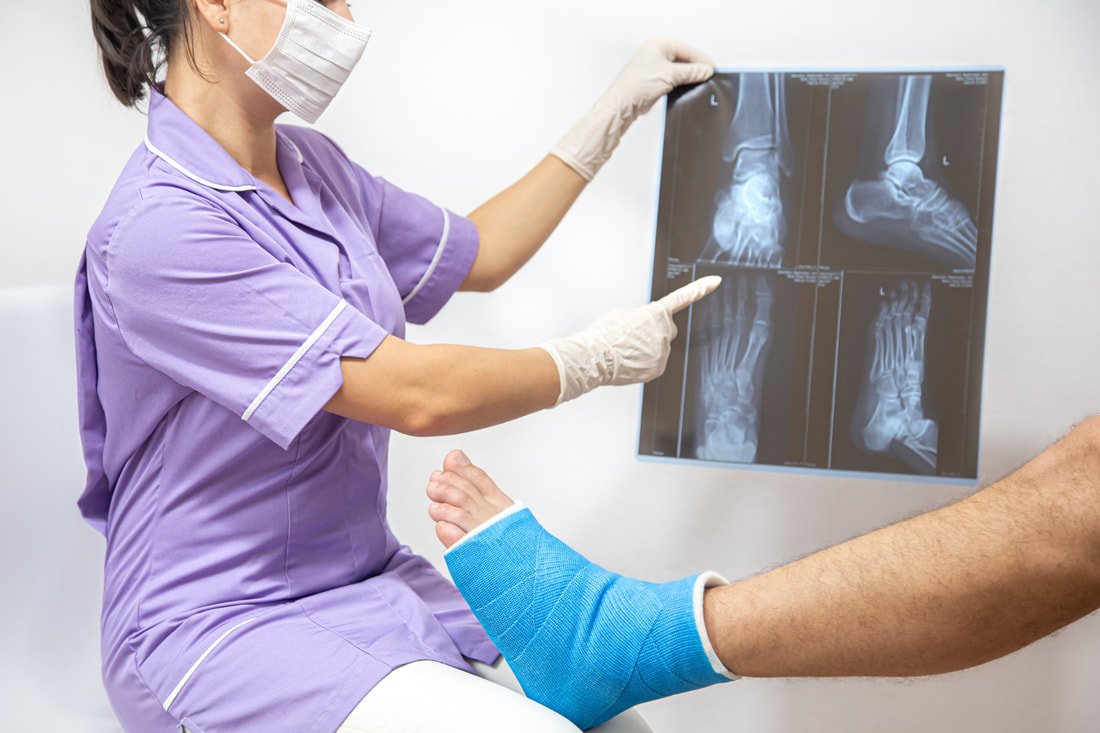
Recovery after joint replacement surgery involves physical therapy, pain management, wound care, and a gradual return to activity. Patients may regain mobility within a few months, although individual timelines vary based on overall health, age, and the specific joint replaced. Following a structured rehabilitation plan supports smoother healing, and attending follow-up appointments helps identify complications early. Here is more information on how to recovery after surgery:
What Is Joint Replacement Surgery?
Joint replacement surgery is a procedure in which surgeons remove a damaged joint and replace it with a prosthetic implant. Implant materials commonly include metal, plastic, or ceramic, and surgeons perform this operation when arthritis, injury, or wear has eroded the joint’s natural surfaces. The artificial joint mimics the movement of a healthy one; this helps reduce pain and restore range of motion. Surgeons may recommend surgery after conservative treatments, such as medication or physical therapy, fail to relieve symptoms.
Why Is It Conducted?
Surgeons conduct joint replacement surgery to relieve pain and restore function in joints damaged by osteoarthritis, rheumatoid arthritis, or traumatic injury. These conditions can severely limit a person’s ability to walk, climb stairs, or perform daily tasks, and the damage may be progressive. Delaying surgery allows the condition to worsen, which affects overall quality of life.
Candidates for surgery may report persistent pain that interferes with sleep or daily activity, and stiffness reduces range of motion. Imaging tests confirm the extent of deterioration before a surgeon recommends the procedure. When conservative treatments have failed, surgery helps patients achieve long-term pain relief and an improved quality of life. Consulting an orthopedic specialist determines whether this surgery is needed.
What Does Recovery Involve?
Recovery begins in the hospital, where medical staff monitor pain levels and encourage early movement to prevent blood clots. Patients may start physical therapy soon after surgery. Pain is managed with medication and elevation of the affected limb; these measures help stabilize the patient before discharge.
Once the patient is discharged, they may continue outpatient physical therapy for several weeks. Swelling and stiffness are common during this period, but they may diminish as the joint heals and therapy progresses. Full recovery, including a return to higher-impact activities, takes several months depending on the joint involved and the patient’s overall health.
What Are Helpful Recovery Strategies?
Several strategies support a smoother recovery following joint replacement surgery. Patients who commit to the following practices may experience fewer setbacks:
- Attend all scheduled physical therapy sessions and perform prescribed exercises at home between appointments.
- Keep the surgical site clean and dry, watching for signs of infection such as redness or unusual discharge.
- Use assistive devices, like walkers or canes, as directed to avoid placing excess strain on the new joint.
Nutrition plays a role in healing. A diet rich in protein and vitamins supports tissue repair, and adequate sleep allows the body to recover between therapy sessions.
Facilitates a Smooth Recovery Now
Joint replacement surgery offers reduced pain and restored mobility, but the outcome depends on what happens after the operation. Understanding the purpose of the surgery, the stages of recovery, and the strategies that support healing helps patients prepare. Consistent physical therapy, proper wound care, and attentive communication with a care team all contribute to a stronger recovery. If you are preparing for or currently recovering from joint replacement surgery, speak with your surgical team about a personalized rehabilitation plan. A tailored approach, built around individual health needs and recovery goals, facilitates a quick return to daily activities.