
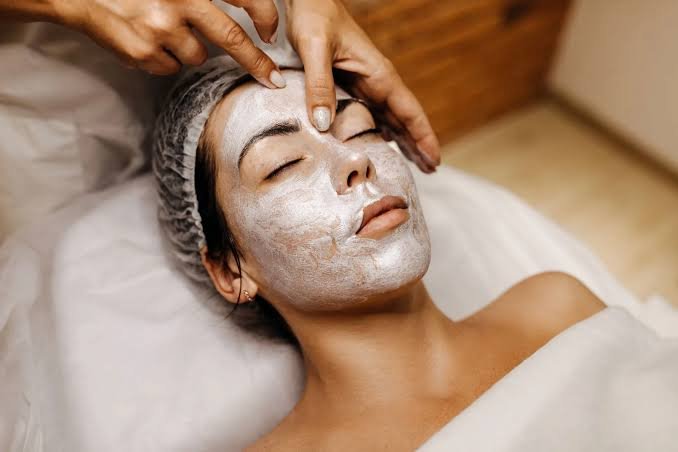
Aesthetic centers, also called med spas, use medical-grade devices and injectable treatments too. Licensed providers perform many of the procedures, and a medical director typically oversees patient care. Here are four aesthetic center technologies, their basic uses, and practical questions for your consultation:
Targeted Microneedling
Microneedling uses a pen-like device with rows of fine, sterile needles. The needles create tiny channels in the skin, and the body responds by producing new collagen. Since aesthetic center providers adjust needle depth for each area, the treatment addresses specific concerns like acne scars or fine lines.
Some devices add radiofrequency energy, and this heat reaches deeper layers of tissue. If you have active acne or a skin infection, your provider may postpone the session. A numbing cream is applied before treatment.
Most people notice redness for a few days afterward, which resembles a mild sunburn. Providers may recommend a series of several sessions. Results vary by skin type, and your provider will set a schedule based on your goals.
Platelet-rich Plasma
Platelet-rich plasma (PRP) comes from a small sample of your own blood. After a provider draws the blood, a centrifuge spins it to separate the platelets. The concentrated plasma contains growth factors, and providers apply it to the skin or scalp.
PRP pairs with microneedling, or providers inject it with a fine needle. The full appointment is typically short. Before you book, ask your provider the following questions:
- Which preparation system does the clinic use?
- How many sessions do clients typically need for my concern?
- Which medications or supplements do I pause beforehand?
- Who performs the blood draw and the treatment?
Injected PDRN Treatment
PDRN stands for polydeoxyribonucleotide, a substance that providers derive from salmon DNA. It’s used in skin rejuvenation treatments to support your skin’s natural repair process. Many people choose it to improve skin texture, hydration, and overall radiance, and it can be a gentle option for those with sensitive or tired-looking skin.
Providers typically apply PDRN in one of two ways. They may inject it into the skin with a fine needle, or they may use it alongside microneedling so it can reach deeper layers. Most appointments are quick, and your provider will create a plan around your skin goals. Many clients see gradual improvements over a series of sessions rather than overnight.
Intramuscular Injections
When a provider gives an intramuscular injection, the needle delivers medication directly into muscle tissue. Muscle has a rich blood supply, so the body absorbs the substance fairly quickly. Typical sites include the upper arm, thigh, and facial muscles. Aesthetic centers may offer these options:
- Neuromodulators, such as Botox, to relax targeted facial muscles
- Vitamin B12 shots for people with low B12 levels
- Lipotropic injections, which blend amino acids and B vitamins
Some providers order lab work first, and others review your medical history during the visit. Mild soreness at the injection site is normal. Tell your provider about any blood thinners, since they raise the risk of bruising.
Visit an Aesthetic Center
Each technology serves a different purpose, and some fall outside cosmetic care entirely. Before you commit to a treatment, schedule a consultation with a licensed provider. Bring a list of your current medications and past procedures. Ask about staff credentials, sterilization practices, and aftercare instructions so you know what to expect.