
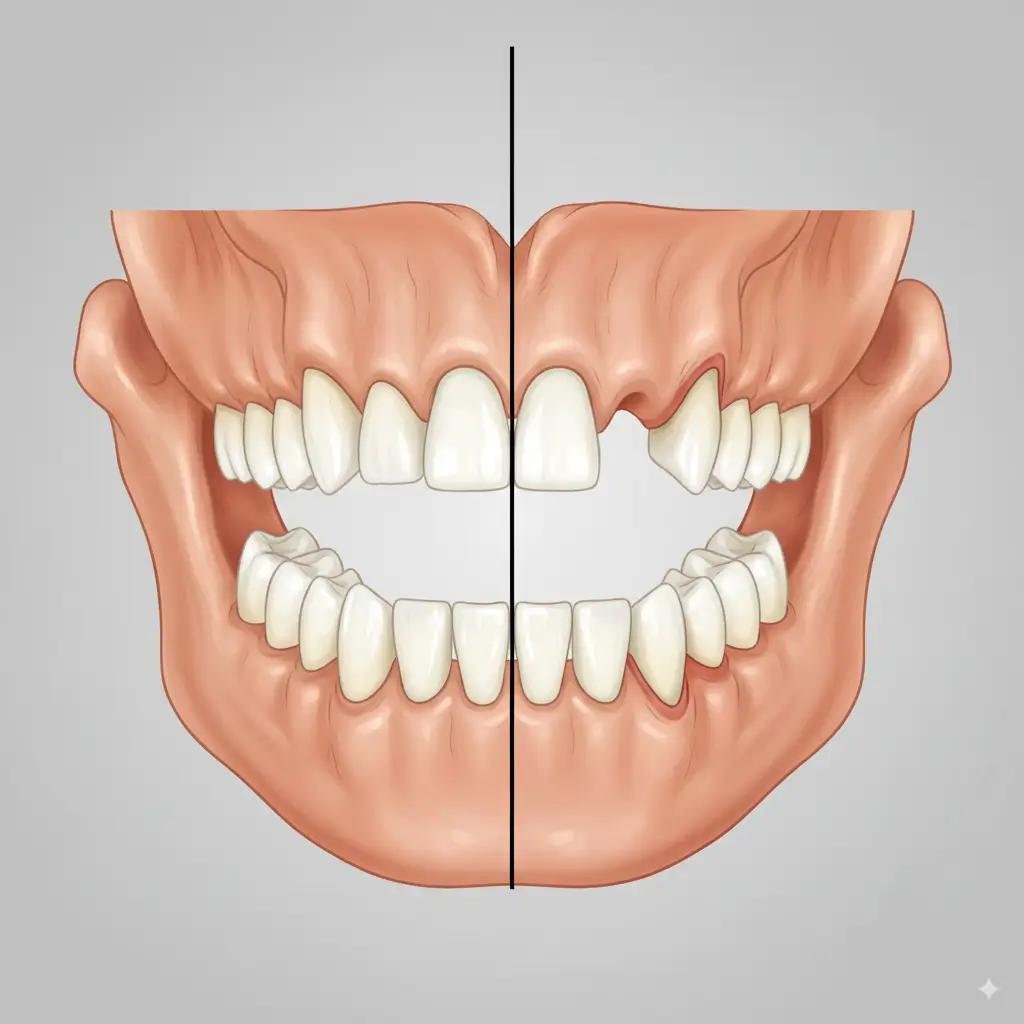
All-On-4 is a dental implant technique that replaces an entire arch of teeth with four implants placed in the upper or lower jaw. The two front implants sit straight up, while the back ones are tilted to make use of the available bone. A fixed bridge attaches to these implants. Here is some information about the All-On-4 procedure:
Oral Health Consultation
The implant process begins with an oral health consultation, where your dentist evaluates your needs and creates a tailored treatment plan. The dentist examines your teeth, gums, and bite and reviews your medical history. Some conditions affect healing, so the dentist discusses these factors with you. These include:
- Diabetes
- Gum disease
- Smoking
Some patients still have teeth that need to be removed; others already wear dentures. The dentist then explains whether All-On-4 fits your situation or if another option may suit you better. Take notes and ask about timelines and recovery so you have a clear picture of the next steps.
Jawbone Imaging
Imaging reveals details that a visual exam misses. Many practices use a cone beam computed tomography (CBCT) scan, which creates a three-dimensional view of your jaw. The scan takes less than a minute, and the machine rotates around your head while you stay still. It measures bone height, width, and density. It also maps the location of nerves and sinus cavities. With this data, the dentist plans the exact position and angle of each implant. Because the back implants are tilted, some people with bone loss may qualify without bone grafting, though your scan determines whether this applies to you.
Implant Placement
Implant placement is a precise procedure; it’s designed to maintain stability, functionality, and a natural appearance for your new teeth. Before surgery begins, your care team reviews anesthesia options, which may include IV sedation or general anesthesia. Surgery usually takes place in one appointment.
If any teeth remain, the dentist removes them first and cleans the area. Four titanium implants go into the jawbone according to the surgical plan. Two are placed in the front of the arch; the other two are placed toward the back at an angle.
In many cases, a temporary bridge is attached the same day or within a few days. This lets you leave with fixed teeth while the implants bond with the bone. That bonding process, called osseointegration, typically takes a few months. Follow your aftercare instructions closely during this time. Eat soft foods, keep the surgical area clean, and attend each follow-up visit. Swelling, bruising, and some discomfort are common in the first week, and your dentist will tell you which medications to use.
Final Restoration
Once the implants have fused with the bone, the dentist takes new impressions of your mouth. A dental lab uses these records to build your permanent bridge. Ask your dentist to explain the material options. Final bridges are often made from zirconia, acrylic over a titanium frame, or porcelain, and each one differs in weight and durability. You may try a model before the bridge is finished so the dentist can check fit and bite. The permanent bridge is screwed onto the implants, and only a dentist removes it, usually during professional cleanings.
Learn More About All-On-4
All-On-4 dental implants provide a fixed solution for replacing a full arch of missing teeth. The process involves several stages, from the initial consultation and jawbone imaging to implant placement and the final bridge. A dental consultation helps determine whether All-On-4 meets your oral health needs and clarifies the treatment timeline and long-term maintenance. Contact a dentist today to schedule an evaluation.