
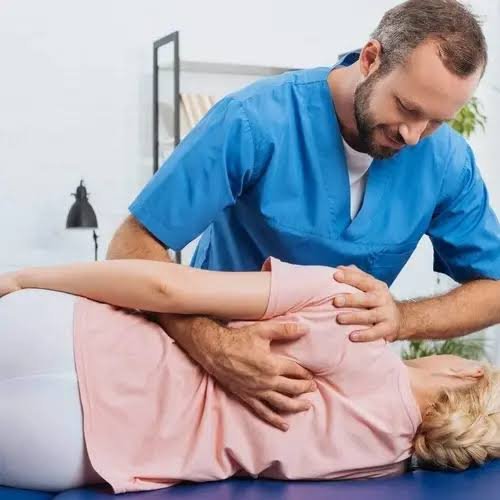
Spinal stenosis can cause pain, numbness, weakness, or reduced mobility when narrowing around the spinal canal places pressure on nearby nerves. Physical therapy is a common nonsurgical approach that improves strength and movement while helping patients manage symptoms. Here is a closer look at the role of physical therapy in managing spinal stenosis:
Improving Mobility and Flexibility
Stiffness in the back, hips, and legs can limit how far and how comfortably you move. Physical therapists use gentle stretching and range-of-motion exercises to address these areas. Bending slightly forward may ease symptoms of spinal stenosis in the lower back, so therapists often include forward-bending movements. These may include knee-to-chest stretches, seated forward bends, and pelvic tilts.
Flexibility work also targets the hip flexors and hamstrings. Tight muscles in these areas may pull on the pelvis; this changes the position of the lower spine. A therapist adjusts each stretch to your current comfort level.
Building Strength and Stability
Weak muscles in the trunk and legs can make standing and walking more difficult. A physical therapist designs strength exercises that support the spine without placing excess strain on it. Programs for spinal stenosis often start with low-intensity movements, and they progress gradually over time. Here are some common areas of focus:
- Core muscles: Abdominal and lower back muscles help keep the spine steady during movement.
- Hip and gluteal muscles: Stronger hips can support balance and share the load with the lower back.
- Leg muscles: Strong thighs and calves support walking, climbing stairs, and rising from a chair.
- Balance training: Standing and stepping exercises can improve stability.
Managing Pain
Everyday tasks such as walking, cooking, and carrying groceries can trigger symptoms. Physical therapy addresses these activities directly, and it focuses on practical changes you can apply at home and at work. Therapists often combine movement strategies with comfort techniques that fit your routine.
Adjusting Posture and Body Mechanics
A therapist observes how you sit, stand, lift, and walk. Changes, such as leaning on a shopping cart or resting one foot on a stool while standing, may ease pressure on the lower back. You also learn to bend at the hips and knees when lifting, which shifts effort away from the spine. These habits become easier with regular practice.
Using Pacing and Comfort Techniques
Pacing involves breaking tasks into shorter segments with rest periods in between. You can walk for a few minutes, sit briefly, and then continue. Some therapists use heat, cold, or gentle hands-on techniques during sessions, and they may suggest safe ways to use heat or cold at home.
Supporting Long-Term Function
Spinal stenosis often changes over time, so long-term planning is a key part of care. A physical therapist helps you build a home exercise program that you can maintain after formal sessions end. This program generally includes stretching, strengthening, and low-impact aerobic activity. Common options include walking, stationary cycling, and water exercise.
Regular movement can help you maintain independence with daily tasks. Your therapist may also teach you to recognize signs that your symptoms are changing, which helps you know when to seek further care. Periodic check-ins allow your therapist to update your program, keeping your routine aligned with your current abilities.
Address Your Spinal Stenosis Today
Physical therapy offers a structured and non-surgical approach to managing spinal stenosis. It covers mobility, strength, daily pain management, and long-term function, and each plan reflects the individual’s needs and goals. While results vary from person to person, some people use physical therapy as a fundamental part of their care. To address your spinal stenosis, contact a qualified pain management specialist near you to schedule your consultation today.

