
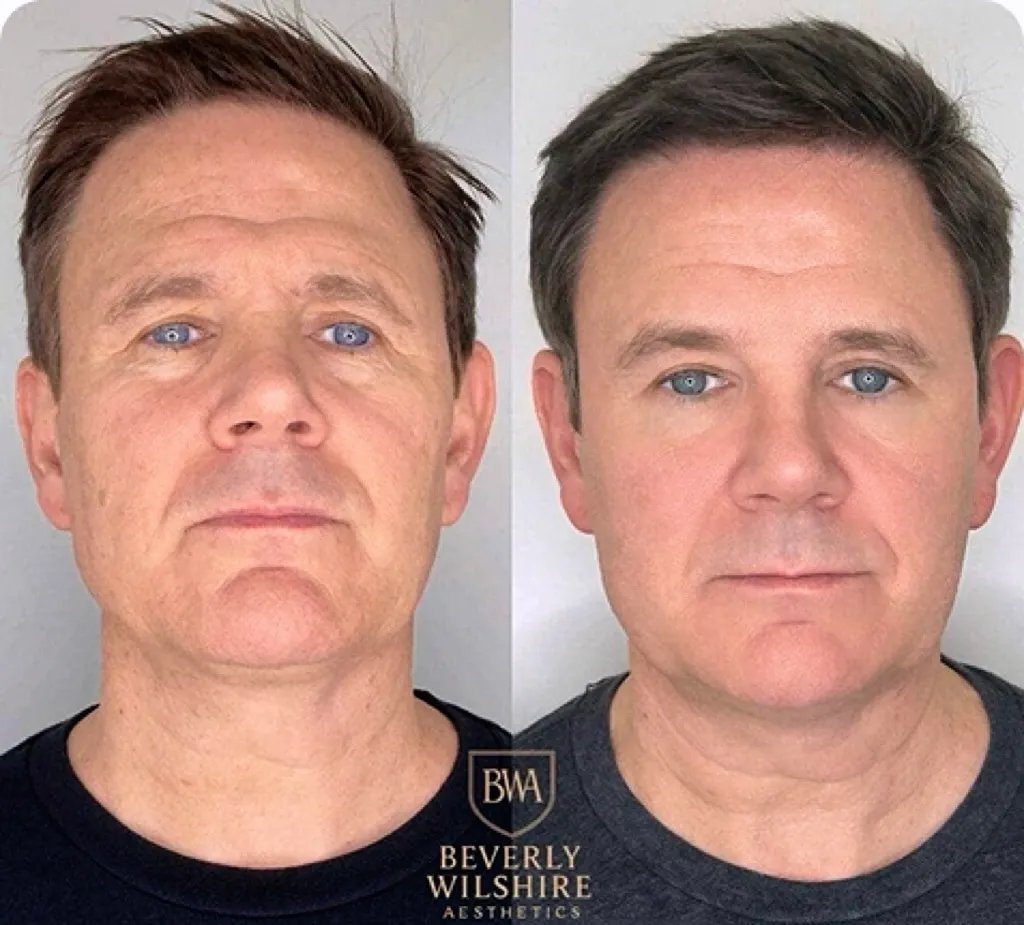
Blepharoplasty is a surgical procedure for the upper or lower eyelids. It removes or repositions excess skin, fat, or muscle, and it can address both function and appearance. Learn what recovery looks like while preparing for a consultation.
Clearer Vision Through Upper Blepharoplasty
Upper lid blepharoplasty treats excess skin on the upper eyelids. Candidates for this procedure are usually adults with noticeable upper lid drooping. Your overall eye health matters, and your surgeon will review your medical history before recommending surgery. Dry eye and certain medications may affect eligibility, so share your full health history at your consultation. A thorough evaluation helps your surgeon choose the right approach for you. Upper lid concerns are not always cosmetic. If your upper lids feel heavy or block your line of sight, discuss this with a surgeon. Addressing functional concerns early supports comfort and clarity in daily tasks.
Refreshed Results With Lower Blepharoplasty
Changes can make you look tired after a full night of sleep. Lower lid blepharoplasty addresses bags, and it can reduce loose skin under the eyes. Good candidates are adults with persistent under-eye bags or loose skin. These do not improve with rest or other treatments. Your surgeon will check the thickness and elasticity of your lower lid skin, which helps determine the best surgical approach.
Certain conditions may affect your candidacy, so share your full health history at your consultation. These include dry eye or thyroid disorders. Lower lid issues can also affect how others perceive your alertness and energy. While appearance goals are personal, they are worth discussing openly with your surgeon. Knowing what the procedure can and cannot do helps you set realistic expectations moving forward, so you understand your plan.
Smooth Recovery and Aftercare
Most patients return to light activity in about one week. Discomfort is usually mild, and Tylenol or prescription pain pills can control it if needed. Plan for help at home during the first day or two. Your eyes may feel dry, sensitive, or irritated in the early days after surgery. Lubricating eye drops can help, and your surgeon will recommend a specific type to use. Avoid strenuous exercise, bending, and heavy lifting for at least two weeks after surgery. Wait for your surgeon to clear you for swimming and contact sports, which is typically four to six weeks post-procedure. Even when you feel better, it matters to follow your surgeon’s timeline and not rush the process. Nutrition and hydration also support healing. Small, consistent steps in your daily routine make a meaningful difference in how smoothly your recovery goes:
- Drink enough water throughout the day.
- Eat a balanced diet to help your body recover.
- Avoid alcohol in the first week.
- Limit salty foods in the early days, since salt increases swelling.
Schedule Your Consultation
A consultation is the first step. Your surgeon will examine your eyelids, and you can discuss your goals and medical history. If you notice heavy upper lids or persistent under-eye bags, schedule an evaluation. Contact your office to book your blepharoplasty consultation.