
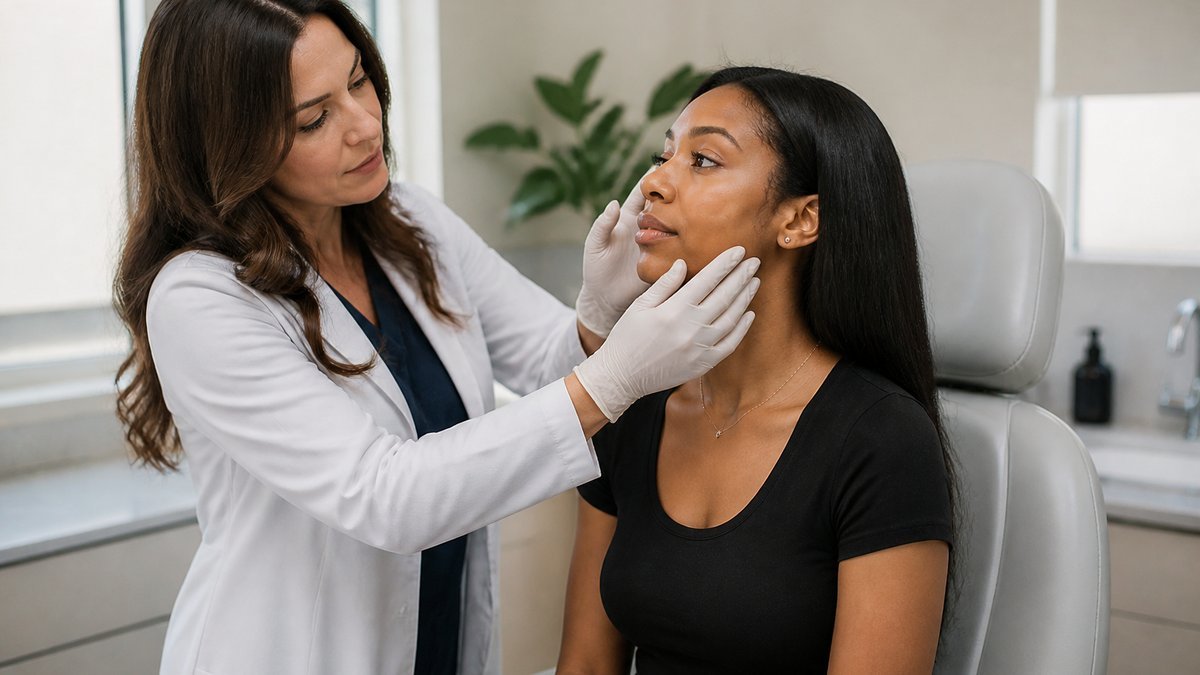
As people age, the face changes gradually. These changes can lead to areas of reduced volume, deeper folds, and less defined contours; dermal fillers offer a minimally invasive option for addressing these concerns without incisions or extended downtime. Understanding how these products work, where they are commonly used, and what an appointment involves may help you make an informed decision about whether this treatment aligns with your aesthetic goals.
What Are Dermal Fillers?
Dermal fillers are injectable, gel-like substances placed beneath the surface of the skin. They are commonly made from hyaluronic acid, a substance found naturally in the body that helps the skin retain moisture. When injected, the gel adds volume to targeted areas, and this can soften the appearance of static wrinkles and folds. Fillers may also refine and shape facial contours.
Results are often visible shortly after treatment, and the final appearance becomes clearer once any minor swelling resolves. Depending on the filler type, the treated area, and individual factors such as metabolism, results can last from several months to more than a year. The body gradually breaks down the material over time.
What Are They Used For?
Dermal fillers serve a range of aesthetic purposes. Areas with frequent movement can call for a softer gel, but areas that need structural support often call for a firmer one. Common reasons for application vary, including:
- Restoring volume in the cheeks, temples, or lips
- Softening the appearance of wrinkles and fine lines
- Defining facial contours to create a more balanced profile
Some people choose to treat a single area, and others may prefer a plan that addresses several areas for a more proportionate result. Treatment plans are typically based on individual facial structure and personal goals. One distinguishing feature of fillers is that they can be dissolved. This gives both the patient and the provider control over the final result.
What Should You Expect?
A filler appointment generally begins with an assessment of your facial anatomy. During this time, the provider reviews your concerns, evaluates the areas of interest, and determines which product and injection sites suit your goals. The treatment area is then cleansed, and a topical numbing agent may be applied to improve comfort.
Your provider then injects the filler with a fine needle or a cannula, which is a thin tube. The area may be gently massaged afterward; this helps to distribute the product evenly. The entire session generally takes 30 to 60 minutes.
You may notice temporary redness, swelling, tenderness, or minor bruising at the injection sites after treatment. These effects typically subside within a few days, and a cold compress can help reduce them. During the first 24 to 48 hours, providers commonly recommend the following:
- Avoid touching or rubbing the treated areas
- Keep your head elevated while sleeping
- Avoid strenuous exercise
- Refrain from drinking alcohol
- Avoid exposure to excessive heat and the sun
People typically return to their normal activities quickly, and makeup can often be applied within a day, depending on your provider’s guidance. Periodic follow-up appointments allow the provider to evaluate your results and plan maintenance treatments when needed.
Seek Professional Aesthetics Services
Dermal fillers may be confused with neuromodulators, but the two treatments work differently. Fillers add volume beneath the skin, while neuromodulators relax specific muscles to soften lines that form during facial movement. An aesthetics provider can develop a treatment plan suited to your facial features and goals.

