
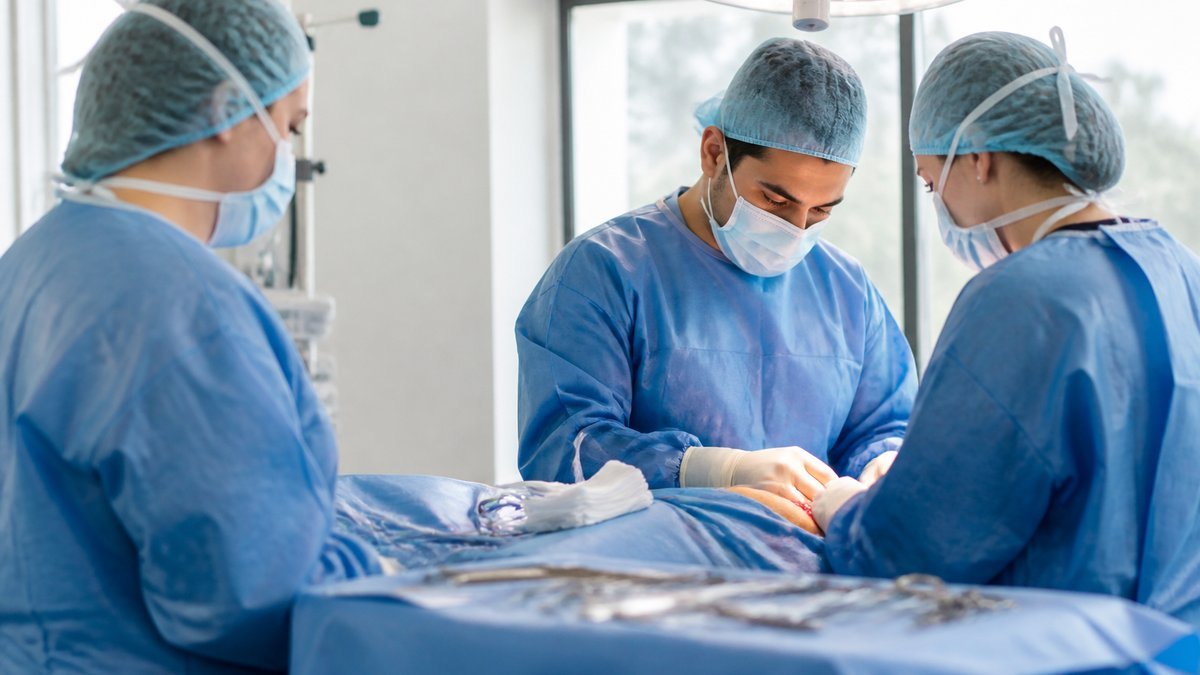
Breast surgery is a group of procedures that change the size, shape, or structure of the breasts. Some patients choose it for cosmetic reasons, while others need it after a mastectomy or to relieve physical symptoms. Here is some information about the surgical process for breast surgery:
Understand Your Options
Breast procedures address different concerns, from changing breast size and shape to restoring appearance after cancer surgery. Breast surgery types include:
- Breast augmentation: This increases breast volume with silicone or saline implants placed above or below the chest muscle. The incision may sit under the breast fold, around the areola, or in the armpit.
- Breast reduction: This removes excess tissue, fat, and skin. Patients often seek it to address neck or back pain, shoulder grooves from bra straps, or skin irritation under the breasts.
- Breast lift: This raises the breasts and tightens the surrounding skin without significantly changing volume. Some people combine a lift with implants for added fullness.
- Breast reconstruction: This follows a mastectomy or lumpectomy. Surgeons may use implants, tissue expanders, or tissue flaps taken from the abdomen or thighs. Reconstruction happens at the same time as the mastectomy or months later, depending on your treatment plan.
Each option has its own risks and recovery timeline. During a consultation, a plastic surgeon reviews your medical history, and they examine your breast tissue. This allows the surgeon to assess your existing breast volume, tissue characteristics, and skin laxity to determine which surgical changes are realistic.
Make Pre-Operative Preparations
Breast surgery requires planning before the procedure, particularly for medical instructions and the first days of recovery. Your surgical team will explain which tests you need and whether any medication changes are necessary. Some medications and supplements increase bleeding risk. Nicotine use also needs to stop before surgery; smoking, vaping, and nicotine gum can restrict blood flow and interfere with wound healing.
Your recovery arrangements should also be organized. General anesthesia prevents you from driving immediately after surgery, so you will need someone to take you home. Having assistance with household responsibilities and childcare for the first days can reduce physical demands while you recover. Front-closing tops make dressing easier, while extra pillows help you maintain a comfortable resting position. On the night before surgery, follow your surgeon’s fasting instructions, including the specified time to stop eating and drinking.
Understand the Recovery Process
Recovery varies by procedure, but many patients follow a similar pattern. Swelling, bruising, and soreness are common during the first week. Some patients go home with small drains that collect fluid; these usually come out within a few weeks. Other recovery instructions may include:
- Wear your compression garment or surgical bra as directed.
- Sleep on your back with your upper body raised on pillows.
- Take prescribed pain medication on schedule rather than waiting for discomfort to build.
- Avoid lifting anything heavier than 10 pounds, and skip strenuous exercise; your surgeon will clear you for each activity at follow-up visits.
Schedule Breast Surgery
Breast surgery involves several stages, and knowing each one helps you plan for the procedure. A consultation is the first step. During that visit, a surgeon will assess your health, discuss suitable procedures, and outline the recovery time. Outcomes and risks differ from person to person, so make sure the consultation addresses your key questions. Contact a plastic surgeon today to schedule an appointment.