
Veins carry blood from the body’s tissues back to the heart. This return trip works against gravity in the legs, and it depends on calf muscle contractions and a series of one-way valves. When this system does not function as intended, varicose veins may develop. They are a common form of vein disease that can affect adults of any age, gender, or background. Understanding how these veins form and which treatments are available may help you make informed decisions about care.
What Are Varicose Veins?
Varicose veins are enlarged veins that sit just beneath the skin, most often on the legs. Many look raised, rope-like, or twisted, and they may appear blue, red, or purple. Swelling or additional tissue in the legs can sometimes make them harder to see.
Varicose veins are mainly a cosmetic concern for some people, but for others, they may point to a problem with circulation in the legs. As the condition progresses, people can notice certain symptoms. These include:
- Aching or pain in the legs
- Heaviness or fatigue in the legs
- Swelling in the ankles or lower legs
- Itching or burning near the affected veins
- Throbbing, tingling, or cramping
- Legs feel restless
- Discoloration of the surrounding skin
Without evaluation, vein disease can be associated with complications such as blood clots or skin ulcers.
What Causes Them?
Leg veins contain small valves that open to let blood travel toward the heart and close to keep it from flowing backward. When these valves weaken or fail to close completely, blood can slip downward and collect in the vein. Several factors may raise the likelihood of developing varicose veins. Family history is among the most common, since inherited traits can influence the strength of vein walls and valves. Obesity places added strain on the veins. Pregnancy also increases pressure on the leg veins, and people who have had multiple pregnancies may face a higher risk. Limited physical activity can reduce the calf muscle action that helps move blood upward, and jobs that require prolonged sitting or standing have a similar effect.
How Are They Treated?
Many current treatments for varicose veins are minimally invasive, and they are often performed in an outpatient setting. The general aim is to close the malfunctioning vein, allowing blood to reroute through nearby healthy veins. Endovenous laser therapy (EVLT) delivers laser energy that heats the vein wall and causes it to seal.
Radiofrequency ablation follows a comparable approach, using radiofrequency energy delivered through a catheter instead of laser light. Chemical sclerotherapy uses an injected solution called a sclerosant; this irritates the inner lining of the vein and causes it to collapse. It may be used for smaller veins. A session can last up to 30 minutes, and some patients receive several sessions depending on the number and size of veins involved.
Medical adhesive closure uses a specially formulated adhesive delivered through a catheter to seal the vein. This method does not rely on heat, so it may require fewer numbing injections than thermal procedures. The most suitable option depends on the size and location of the affected veins, as well as any diagnostic findings.
Visit a Vein Clinic
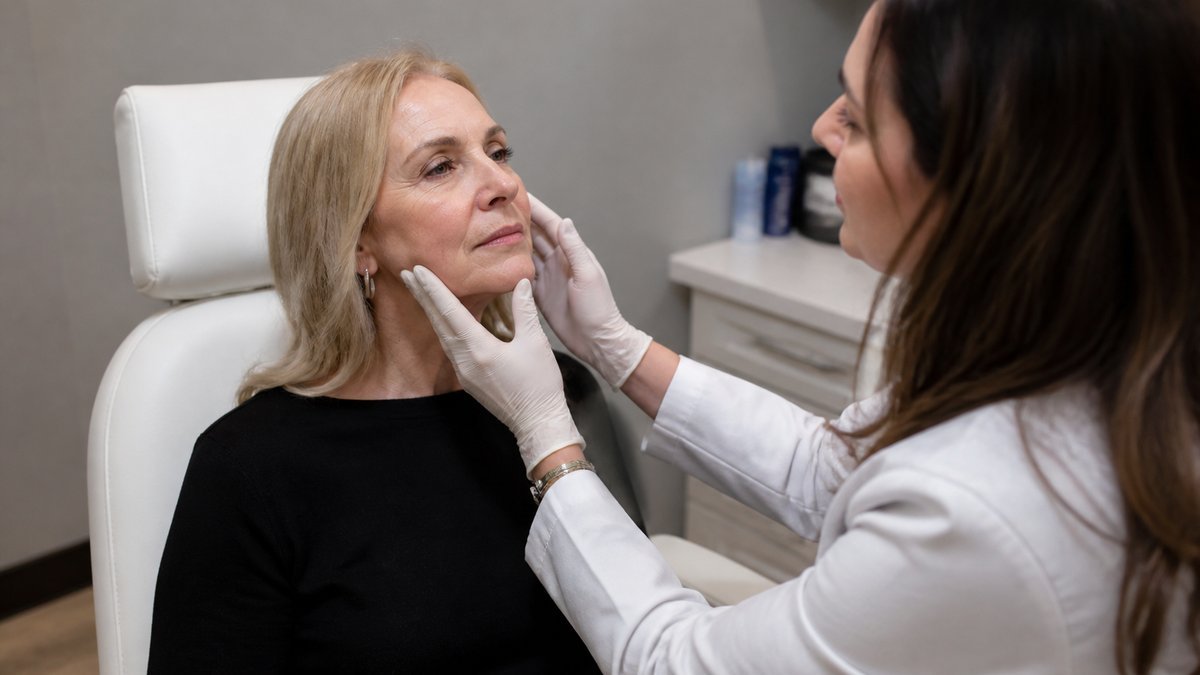
An evaluation at a vein clinic often begins with a physical examination, and the provider may utilize ultrasound. This is a noninvasive imaging test that shows how blood moves through the leg veins and whether the valves close properly. A provider may suggest conservative measures such as compression stockings in mild cases. If you notice twisted, visible veins or ongoing leg discomfort, swelling, or skin changes, a vein specialist can assess your circulation and explain which options best suit your needs.