
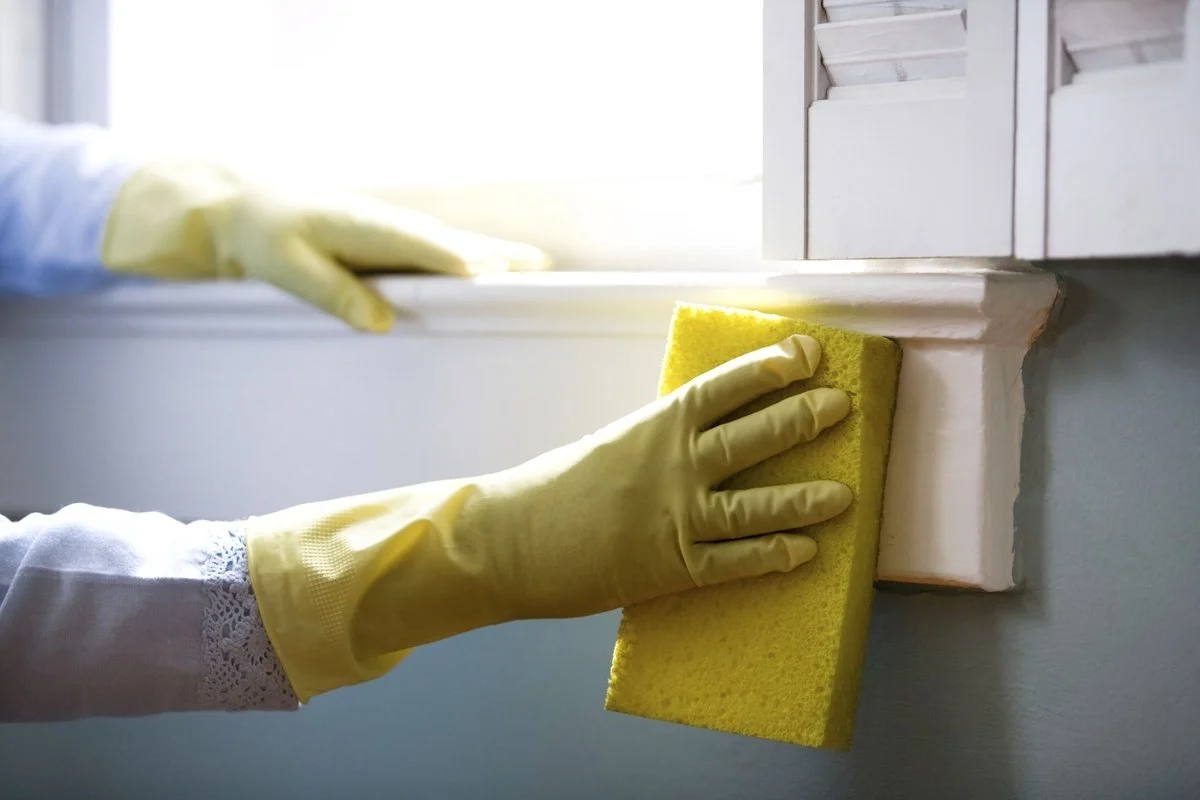
Common household substances, such as dust mites, pet dander, mold, pollen, and other airborne particles can trigger allergies. Reducing exposure to these triggers may create a more comfortable indoor environment for individuals who experience allergy symptoms. Here is an overview of ways to create an allergy-friendly home environment:
Control Dust and Mites
Dust mites, a trigger for allergies, are tiny insects that live in household dust and feed on shed skin cells. They thrive in warm, humid spaces and gather in bedding, carpets, and upholstered furniture. The following steps target the areas where dust mites collect most often:
- Wash bedding weekly: Use hot water to remove dust mites from sheets, pillowcases, and blankets.
- Use allergen-proof covers: Encase mattresses, box springs, and pillows in zippered covers that block dust mites.
- Vacuum with a HEPA filter: A high-efficiency particulate air (HEPA) filter traps small particles, so the vacuum does not release them back into the room.
- Dust with a damp cloth: A damp cloth captures dust, while a dry cloth spreads it into the air.
- Reduce clutter: Fewer stuffed animals, throw pillows, and open shelves mean fewer surfaces for dust to settle on.
Manage Mold and Moisture
Mold grows in damp areas, and it releases spores that travel through the air and cause allergies. Bathrooms, kitchens, basements, and laundry rooms are common sources, as these spaces produce steam and standing water. Run exhaust fans during and after showers and while you cook. Fix leaky pipes, roofs, and windows promptly, and dry wet areas as soon as possible. When mold appears on hard surfaces, clean it with water and detergent. For large areas of mold, contemplate hiring a professional; use a dehumidifier in basements and other damp rooms.
Limit Pet and Pollen Exposure
Pets and plants release particles that settle on surfaces, hair, and clothing. Pet dander includes skin flakes, saliva, and urine proteins, while pollen comes from trees, grasses, and weeds. You can limit both with consistent routines, though the right steps depend on your specific triggers.
Manage Pet Dander
Keep pets out of bedrooms to reduce allergies and keep your sleeping space as clean as possible. Bathe and brush pets regularly, and have a person without allergies handle grooming when possible. Wash your hands after you touch animals.
Reduce Pollen Indoors
Keep windows and doors closed during high pollen seasons, and check local pollen counts each day. Remove shoes at the door, and change clothes after you spend time outdoors. Pollen sticks to hair, so shower before bed to keep it off your pillow. Dry laundry indoors when pollen counts are high, as sheets on an outdoor line can collect pollen.
Improve Indoor Air Quality
Indoor air can hold dust, dander, mold spores, and chemical irritants. A heating, ventilation, and air conditioning (HVAC) system moves these particles through every room, so filter quality matters. Portable air purifiers with HEPA filters are helpful in bedrooms and main living areas. Avoid smoking indoors, and limit scented candles, plug-in air fresheners, and strong cleaning sprays. These products add fumes and fine particles to the air, which can worsen allergies and undermine your efforts. When you buy cleaners or laundry detergent, choose fragrance-free options.
Address Your Allergies Today
An allergy-friendly home relies on regular cleaning, moisture control, limited pet and pollen exposure, and clean indoor air. Each step lowers common triggers, and together they can create a more controlled living space. Home changes are one part of managing allergies; specialist care provides testing and a clear diagnosis. To address your allergies, contact a qualified allergist near you to schedule your appointment today.