
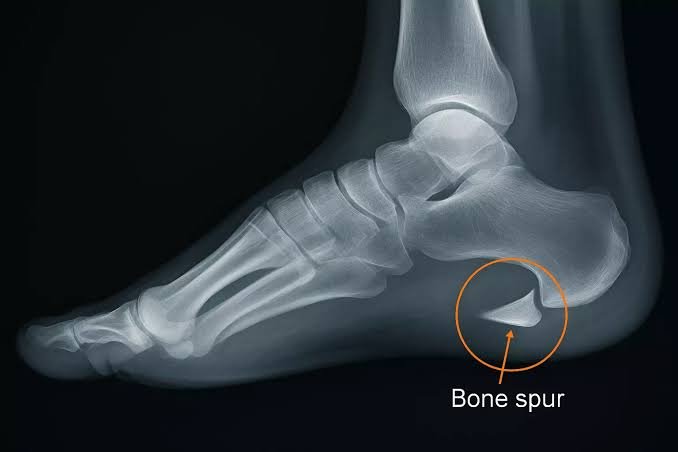
A heel spur is a small, bony growth, and some people feel sharp, stabbing pain, while other people never notice them. Spurs form when the plantar fascia, a thick band along your sole, pulls on the heel bone for months. If heel pain slows you down, knowing the diagnosis steps helps you prepare for your visit. This is how a podiatrist diagnoses heel spurs:
Review Medical History
Your podiatrist starts with your health background, and this step sets the direction for the rest of the visit. They ask about past foot and ankle injuries because old damage may change how your heel withstands pressure. Conditions like arthritis, diabetes, and excess body weight also matter. Each one adds extra strain to the tissues and bones of your foot.
Before your appointment, write down every medication you take and any surgeries you have had. Your daily habits count too. Runners may face a higher risk of heel spurs, and so do workers on their feet for long shifts. Your podiatrist will also ask about your shoes, since worn or flat footwear adds stress to the heel.
Discussing Symptoms
Next, your podiatrist talks with you about the details of your heel pain. They want to know when the pain started and which activities make it worse. Be as specific as possible, and bring written notes from the past few weeks. You may hear questions about these topics:
- Pain during your first steps in the morning
- Pain after sitting or resting for a long time
- Areas where the pain starts
- Warmth, swelling, or tenderness around the heel
- Activities or shoes that trigger flare-ups
Examining Heels
Once you sit down, your podiatrist presses on different spots along your heel and arch. Tenderness at the front of the heel often points to a spur, and arch pain may signal plantar fasciitis. Plantar fasciitis, or irritation of the plantar fascia, often appears alongside heel spurs. Your podiatrist may also squeeze the sides of your heel to check for a stress fracture.
Your podiatrist may ask you to stand, and they will study your posture from several angles. They also check the height and shape of your arch. Flat feet and high arches matter because both shapes change how weight spreads across your heel. Calluses or uneven skin may also reveal where your foot takes the most pressure.
Next comes a short walking test. As you walk across the room, your podiatrist watches for limping or uneven steps. They may test your ankle flexibility, and they may check your feet for nerve problems. Some nerve conditions mimic heel spur pain closely.
Performing X-rays
Since a spur is made of bone, an X-ray gives your podiatrist the clearest view of it. The scan takes only a few minutes, and it causes no pain. Many podiatry offices offer X-rays on-site during the same visit. The images help your podiatrist confirm several details:
- Size and shape of the spur
- Location on the heel bone
- Signs of fractures, arthritis, or other bone problems
- Changes in the alignment of your foot bones
Get Treated for Heel Spurs
Heel pain rarely disappears overnight, and walking on a sore heel may make the problem worse. If your heel hurts with each step, book a visit with a podiatrist or a walk-in clinic. Bring your medication list, shoe history, and symptom notes to the appointment. Schedule your heel exam today and take the first step toward a clear diagnosis.