
Lumbar spinal stenosis is a narrowing of the spinal canal in the lower back, and this puts pressure on the spinal nerves, leading to pain, numbness, or weakness. Since the condition develops slowly, many people notice symptoms only after age 50. Here are some of the main causes, symptoms, and available treatment options in plain terms:
Main Causes
As the spine changes with age, many people develop this condition. Several conditions take up space inside the canal, and the nerves have less room as a result. Several conditions narrow the spinal canal over time:
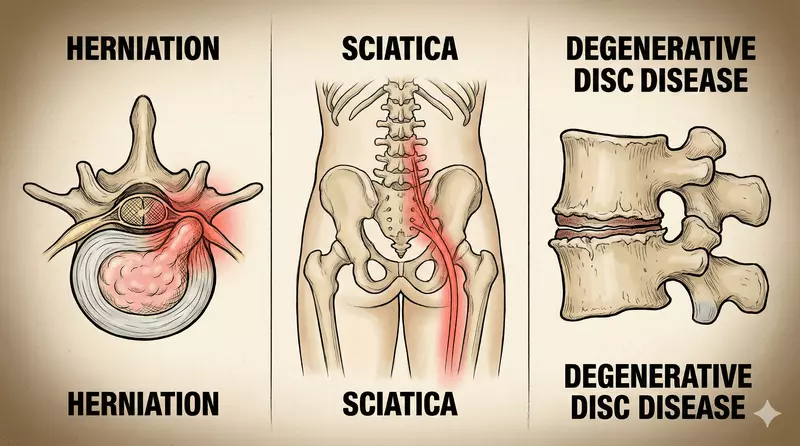
- Herniated or bulging discs
- Thickened ligaments along the back of the spine
- Increased bone spurs from osteoarthritis
- Slipped vertebra
Some people have a naturally narrow spinal canal, and they may develop symptoms earlier in life. If bone fragments shift into the canal, injuries such as fractures may also cause lumbar spinal stenosis. A doctor may confirm the cause with an MRI or CT scan.
Key Symptoms
Symptoms typically start gradually and worsen over months or years. Many people feel pain in the lower back when they stand or walk for long periods. The pain may spread into the buttocks, or it may travel down one or both legs. For some patients, symptoms often come and go at first.
Doctors call leg pain from walking neurogenic claudication, which typically eases when you sit down. Leaning forward opens space in the spinal canal, so pressure on the nerves drops. You can find relief by leaning on a shopping cart or walker.
Numbness and tingling may affect the legs or feet, and some people notice muscle weakness. Balance problems sometimes follow. If you lose control of your bladder or bowels, seek emergency care right away. This symptom may signal severe nerve compression.
Effective Treatments
Treatment depends on how severe your symptoms are and how they affect daily life. Many doctors start with conservative options. These approaches carry less risk, and many people try them for several months. To address this, typical first-line treatments include:
- Anti-inflammatory medication: Over-the-counter NSAIDs like ibuprofen or naproxen are used to reduce swelling around compressed nerves. Some doctors also recommend steroid injections.
- Consistent lifestyle changes: Losing extra weight lowers the load on your lower spine. Low-impact activities like cycling or swimming keep you moving with less strain.
- Physical therapy: A therapist builds a routine to strengthen your core, improve flexibility, and correct posture.
- Epidural injections: These injections deliver a steroid directly to the area around the compressed nerve, reducing inflammation and providing relief from pain. This option is used when other treatments haven’t relieved symptoms fully or quickly enough.
Some patients still have symptoms after conservative care, and their doctors may discuss minimally invasive lumbar decompression. In this procedure, a doctor removes small pieces of bone or thickened ligament through a tiny opening. Since the incision is small, patients often go home the same day. Your doctor will review whether you qualify based on imaging and your health history.
Address Lumbar Spinal Stenosis
Lumbar spinal stenosis affects each person differently. Some people manage symptoms with exercise, and others need a medical procedure. If back or leg pain limits your walking, schedule an evaluation with a spine specialist. Bring a list of your symptoms and current medications, and your doctor will review your options so you can decide on a plan together.

